

If you’ve ever typed “where is Curaçao located” into a search engine, you’re not alone. This small Dutch Caribbean island has been gaining worldwide attention for years. Now, with the Blue Wave Curaçao’s national football team competing in the World Cup for the first time, the world is finally taking notice.
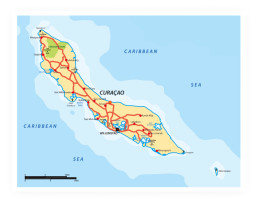
Curaçao is in the southern Caribbean Sea, about 40 miles (65 km) north of Venezuela. Whether you’re planning your first trip or coming back for another visit, here’s what you need to know about its geography, climate, culture, beaches, and places to stay.
Where Is Curaçao, Exactly?
Curaçao is in the southern Caribbean Sea at about 12.17°N latitude and 68.99°W longitude, roughly 40 miles north of Venezuela. It’s one of the closest Caribbean islands to South America.
Curaçao is outside the main hurricane belt, unlike most Caribbean destinations. This means you can expect warm, sunny weather almost every day, with average temperatures around 85°F (29°C) and comfortable trade winds.
A few quick facts worth knowing:
- Size: 171 square miles (444 km²) — about 40 miles long, 2–9 miles wide
- Capital: Willemstad
- Population: approx. 156,000
- Distance from Venezuela: ~40 miles (65 km) north
- Distance from Aruba: ~44 miles (70 km) west
- Distance from Bonaire: ~30 miles (48 km) east
- Highest point: Mount Christoffel at 1,220 ft (372 m)
The ABC Islands
To see where Curaçao is, it helps to know about the ABC Islands. These are three Dutch Caribbean territories just north of South America:
Aruba is the westernmost island, known for its white sandy beaches. Bonaire is famous for being one of the world’s best shore diving spots. Curaçao is the largest, offering a unique mix of culture, history, and natural beauty that makes it stand out.
These three islands make up the Leeward Antilles and are all part of the Kingdom of the Netherlands. On a map, Curaçao is just east of Aruba and west of Bonaire, forming a natural arc along the northern coast of Venezuela.
What Country Is Curaçao In?
Curaçao’s location gives it a great climate. It sits 12 degrees north of the equator and south of the hurricane belt, making it one of the few Caribbean islands you can visit comfortably any time of year.
Temperatures stay between 27–29°C (81–85°F) all year. The rainy season is from October to January, but rain usually comes as short, heavy showers instead of long, gray days. From February to September, it’s mostly sunny. Hurricanes are very rare, and steady trade winds from the east keep things comfortable, especially in spring.
This makes Curaçao a great choice during months when other Caribbean islands face storms or high humidity. It’s one of the most reliable destinations in the region.
Climate: A Year-Round Destination
An all-inclusive package bundles your accommodation, meals, drinks, and a selection of activities into one upfront price. In Curaçao, that typically covers your room, breakfast through dinner, unlimited house beverages, pool and beach access, non-motorized water sports, and evening entertainment.
Premium packages may include specialty dining, top-shelf drinks, motorized water sports, spa access, and airport transfers. However, ‘all-inclusive’ can mean different things at different resorts, so it’s important to check the details before you book.
How to Get There
Hato International Airport (CUR) near Willemstad serves Curaçao. You can fly direct from Miami, New York, Atlanta, and Houston in the US; Amsterdam in Europe; Toronto in Canada; and cities like Bogotá, and Medellín in the Caribbean and South America.
Flights take about 3.5 hours from Miami, 4.5 hours from New York, and 9 hours from Amsterdam. There are no large passenger ferries from nearby islands, so flying is the best way to get here.
What Curaçao Is Famous For
Willemstad is a UNESCO World Heritage capital. The Handelskade waterfront, with its row of Dutch colonial buildings in bright pastel colors, is one of the Caribbean’s most photographed spots. The Queen Emma floating bridge links the Punda and Otrobanda neighborhoods across Sint Annabaai harbor. The Pyrmont Curaçao is in the lively Pietermaai district, just steps from the UNESCO-listed waterfront, in two beautifully restored 19th-century buildings: Cerro Bonito and Kas di Pueblo.
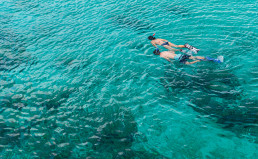
Curaçao is known for world-class diving and snorkeling. Its spot on the South American continental shelf creates amazing marine conditions. The Curaçao Underwater Marine Park runs along 20 km of the southern coast, with visibility up to 30 meters. The island is often ranked among the world’s top diving destinations. Blue Curaçao liqueur is world-famous and truly made here. It’s produced from the dried peels of the Laraha orange, a citrus fruit that only grows on the island. You can visit the Chobolobo distillery in Salinja for a tour and tasting.
Curaçao has beaches for everyone. Grote Knip (Playa Kenepa) features clear turquoise water and dramatic cliffs. Playa Lagun is a small cove where you might spot sea turtles. Cas Abao is a wide, white-sand beach that’s great for families. Jan Thiel offers a lively beach bar scene near Willemstad. Klein Curaçao, an uninhabited island you can visit on a day trip, has pristine beaches, a lighthouse, and a snorkeling wreck.
The Blue Wave, Curaçao’s national football team, is making history by qualifying for the FIFA World Cup for the first time. For an island of 156,000 people, this is a huge achievement. The excitement and pride are everywhere, and visitors can feel it too. It’s a special time to visit Curaçao.
Curaçao’s culture, history, and architecture are shaped by Indigenous Arawak roots, Dutch colonialism, African heritage, and Latin American influence. This mix makes it one of the Caribbean’s most culturally rich islands. Carnival, the North Sea Jazz Festival, and the local food scene all show off this unique blend.
Is Curaçao Safe?
Curaçao is known as one of the safer Caribbean destinations, thanks to its stable government, reliable Dutch-influenced infrastructure, and strong tourism industry. As with any trip, take normal precautions, especially in some areas of Willemstad after dark, but overall it’s a low-risk place to visit. The island also has low earthquake risk, no active volcanoes, and is outside the hurricane belt.
Where to Stay: The Pyrmont Curaçao
If you’re looking for heritage, design, and real local culture instead of a typical resort, The Pyrmont Curaçao, part of the Marriott Autograph Collection, is the top choice in Willemstad.
The Pyrmont is in Pietermaai, Willemstad’s most famous historic neighborhood, and is set in two carefully restored 19th-century buildings: Cerro Bonito and Kas di Pueblo. This adults-only, all-inclusive hotel feels truly connected to its location—it’s not a generic resort, but a place that could only exist here.
You’ll be just steps from UNESCO-listed Willemstad, with easy access to dive shops, beach shuttles, island tours, and the best restaurants, galleries, and nightlife—all within walking distance.

Curaçao won’t be a secret much longer. The Blue Wave’s World Cup debut has put the island in the global spotlight. The beaches, culture, architecture, and diving have always been here, just waiting to be discovered. Now, the world is finally noticing.
Curaçao stands out because of its location. It’s close enough to South America to have centuries of cultural influence, far enough south to avoid hurricanes, and small enough to feel authentic instead of crowded.
When you’re ready to visit, The Pyrmont Curaçao will be waiting for you in the heart of Willemstad’s most historic neighborhood.
Book your stay at The Pyrmont Curaçao and see for yourself why this island is one of the Caribbean’s most remarkable places.
Seamlessly Connected
Set on Curaçao’s southern coast, The Pyrmont Curaçao Beach Resort balances seclusion and access, a short walk to historic Willemstad and twenty minutes from the international airport.
Seamlessly Connected
Set on Curaçao’s southern coast, The Pyrmont Curaçao Beach Resort balances seclusion and access, a short walk to historic Willemstad and twenty minutes from the international airport.
Opening 2026
Be first to experience Curaçao’s new adults-only coastal sanctuary
FAQ
In the southern Caribbean Sea, approximately 40 miles north of Venezuela. It’s the largest of the three ABC Islands (Aruba, Bonaire, and Curaçao) and part of the Dutch Caribbean.
Curaçao is an autonomous country within the Kingdom of the Netherlands — it governs its own internal affairs but shares the Dutch monarchy, military, and foreign policy.
Willemstad, a UNESCO World Heritage Site known for its colorful Dutch colonial architecture along the Handelskade waterfront.
No. Curaçao sits outside the main hurricane belt, which means reliable sunny weather year-round, including during peak hurricane season (June–November).
Via Hato International Airport (CUR), near Willemstad. Direct flights from Miami, New York, Amsterdam, Toronto, and several Caribbean and South American cities.
Four official languages: Papiamentu, Dutch, English, and Spanish. Most locals speak all four. English is widely spoken in the tourism industry.
Colorful colonial Willemstad (UNESCO World Heritage Site), world-class scuba diving, the Blue Curaçao liqueur, stunning beaches, a remarkable multicultural heritage, and right now — the Blue Wave, competing in the FIFA World Cup for the first time.
For the heart of Willemstad’s most vibrant historic neighborhood, The Pyrmont Curaçao (Marriott Autograph Collection) in Pietermaai combines heritage architecture, boutique character, and walkable access to the best the island has to offer.