

Pietermaai Architecture: A Complete Guide to Curaçao’s Historic Colonial Buildings
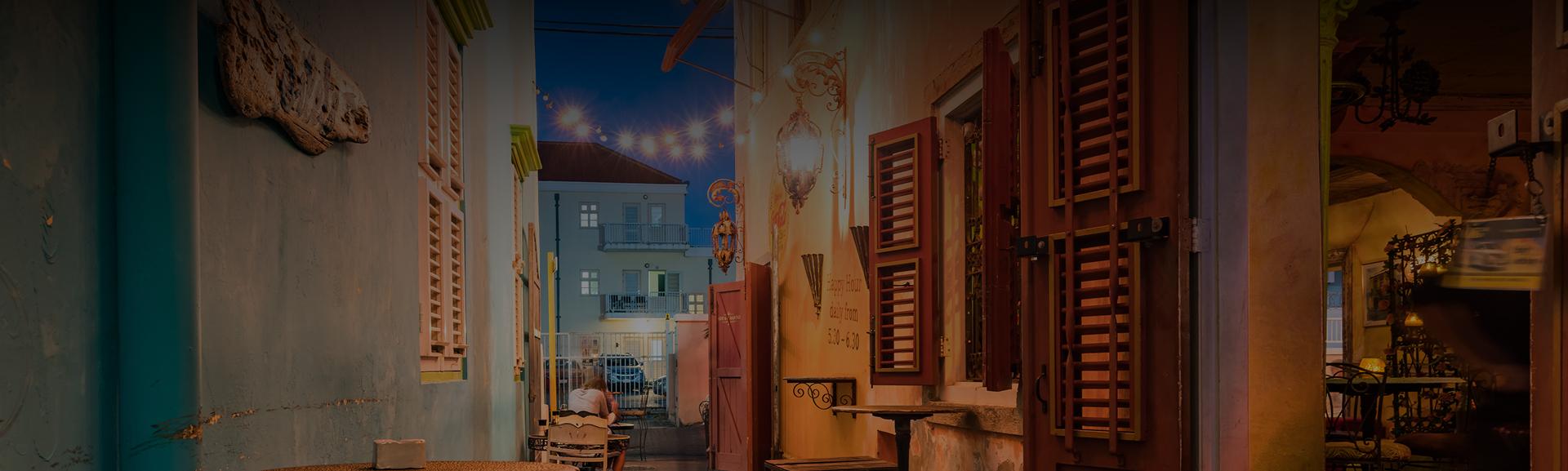
When you walk along Pietermaaiweg, you’re seeing three centuries of Caribbean architectural history on one street. Each building tells a story about its era, its original owner, the cultures that influenced it, and the restoration efforts that saved it after years of decline.
Pietermaai’s architecture isn’t just scenery—it’s the main attraction. This guide will show you what makes it special, how its styles and eras blend together, and what details to notice as you explore.
Why This Architecture Is Unique
Pietermaai is part of Willemstad’s UNESCO World Heritage-listed historic center, along with Punda, Otrobanda, and Scharloo. This recognition matters not only for the quality of the buildings, but also because the neighborhood has kept its unique character through over three centuries of continuous life.
The buildings here show a real mix of influences: Dutch planning, adaptations for the Caribbean climate, Spanish and Portuguese decorative styles, local Sephardic Jewish merchant traditions, and a blend of all these over generations. Nowhere else in Curaçao, and in few places across the Caribbean, will you find so many well-preserved, varied colonial-era buildings in a lively, lived-in neighborhood.
How Pietermaai Was Built
Pietermaai came into being in the late 17th century as Willemstad’s walled city reached its capacity. The walled district of Punda, built from 1634 by the Dutch West India Company, had grown too dense for expansion by the early 1700s. Building began east along the “Steenen Padt” (Stone Path), in an area associated with the ship’s captain Pieter de Meij, who arrived from Brazil around 1674.
Over the next 150 years, the neighborhood grew bit by bit. Different owners, architects, budgets, and eras all left their mark. Pietermaai was never planned as a single, unified project—it simply evolved. Its mix of styles and details is what makes it so beautiful today.
By the mid-1800s, Pietermaai had become the most prestigious place to live on the island. The grand mansions along its main street, especially the neoclassical villas built for Curaçao’s Sephardic Jewish merchant families, showed off the height of architectural ambition in colonial Willemstad.
The Materials: Coral Stone and Lime
Before we talk about the different architectural styles, it helps to know about the materials used in Pietermaai’s historic buildings. These materials shape how the buildings look, feel, and function.
Coral stone, taken from Curaçao’s ironshore coast, is the main building material in historic Willemstad. It’s porous, fairly light, and easy to find locally, which was important since most other materials had to be imported. The thick coral stone walls help keep rooms cool by absorbing and slowly releasing heat, making them perfect for the Caribbean climate. Because coral stone is porous, the buildings are covered with lime render and paint to keep out moisture. This is why the painted façades are such a key part of the streetscape. The stone’s slightly rough surface also catches and reflects light in a unique way, giving Pietermaai’s walls their special look.
The tradition of colorful buildings has an unusual origin. In 1817, Willemstad banned white lime finishes because the glare from whitewashed walls in the tropical sun was giving people headaches. This led to buildings being painted in pastel yellows, pinks, blues, greens, and corals—the colors that now define Willemstad’s look. It wasn’t about style at first, but a practical rule that ended up creating one of the world’s most distinctive city color palettes. Today, conservation guidelines help keep this colorful tradition alive in the UNESCO district.
Wood is used throughout these buildings, from shuttered window frames and balcony railings to door frames and roof structures. The quality of the original woodwork—especially the louvred shutters and decorative railings—shows whether a restoration was done with care or just for appearances.
Architectural Styles: A Field Guide
The oldest buildings in Pietermaai are from the 1700s and are usually simple, single or two-story houses with rectangular layouts, hipped or gabled roofs, and little decoration. These buildings were designed for function first—to handle the climate and last over time. Most of these original houses are found on the side streets off Pietermaaiweg, where they survived the 20th century better than the larger buildings. Look for plain rectangular shapes, minimal decoration, and coral stone walls covered with basic lime render.
Neoclassicism, popular from the 1820s to the 1870s, is the main style you’ll see on Pietermaai’s main street. In the 1800s, the wealthiest residents chose this European style, bringing in features like strict symmetry, horizontal bands, grand entrances, and classical decorations. Adapted for the Caribbean, these elements created some of Willemstad’s most impressive buildings.
The finest example in Pietermaai is Cerro Bonito at Pietermaaiweg 160, commissioned by merchant S.E.L. Maduro and designed by Corsican architect Bartholomé Lyon, constructed 1854–1857. Its seven-axis façade, pronounced cornice banding, hipped roof with dormers and finials, and formal balustrade terrace make it a textbook statement of neoclassical ambition applied to a Caribbean urban setting. Today it forms part of The Pyrmont Curaçao Beach Resort. Read the full history of Cerro Bonito here.
Identify neoclassical buildings by: strict symmetry, heavy horizontal cornices at roofline and mid-façade, five or seven-axis front elevations, formal staircases and terraces, large proportioned windows.
Curaçao Baroque mixes European Baroque style with local materials and features suited to the climate. Its most recognizable feature is the curved gable—these buildings have S-shaped or scroll-like rooflines instead of straight or stepped ones, making them stand out as decorative. This style is most common in Punda, with the Penha building on Handelskade as the best-known example, but you’ll also spot it in Pietermaai, either as full examples or as decorative touches on simpler buildings. The style shows the influence of Spanish and Portuguese traders on Willemstad’s architecture. Look for curved, scroll-shaped gables, ornate decorations, and more complex shapes than neoclassical buildings.
From the 1870s to the 1910s, a more eclectic style took over. Buildings from this period often mix neoclassical features with Moorish arches, Spanish or French-style ironwork, and even early Art Nouveau decorations. Some of Pietermaai’s most detailed and visually interesting buildings come from this era. You can spot them by their mix of styles, fancy iron balconies, and decorations that don’t fit into just one category.
Key Architectural Details: What to Look For
Cornices and entablatures are the thick, horizontal bands you see at the roofline and between floors. These features help organize the building’s façade. The size and detail of the cornices can tell you when a building was built and how much its owner invested in it.
Window rhythms refer to the regular pattern and spacing of windows on colonial-era buildings. When all the windows are evenly spaced and the same size, it usually means the building’s original design is still intact. Renovations that ignore this pattern often break up the building’s look.
The louvred wooden shutters on Pietermaai’s historic windows aren’t just for show—they’re practical. They let air in while keeping out direct sunlight and can be adjusted to direct the breeze inside. If you see original shutter hardware, it’s a good sign the building was carefully restored.
Many Pietermaai buildings, especially those from the late 1800s, have decorative iron balconies. You can usually tell original ironwork from modern copies because it looks less uniform, the pieces are joined and welded instead of molded, and the surface shows signs of age and weather.
Some of Pietermaai’s larger historic buildings have cistern wings at the back—these are separate structures linked to the main house by aqueducts for collecting and storing rainwater. Since Curaçao is quite dry, collecting fresh water was essential for big households in the 1800s. Cerro Bonito, for example, has two cisterns connected by aqueducts, making it a unique example of historic water engineering that you can spot from behind the building.
How Pietermaai’s Architecture Is Protected
Being a monument or having UNESCO status isn’t just for show. In Pietermaai, these designations set up real rules for how buildings are cared for, restored, and changed.
The Stichting Monumentenzorg Curaçao (founded 1954) administers conservation guidelines requiring traditional building materials — lime-based renders and paints, coral stone, authentic window and door forms — along with regulatory approval for any changes to listed building façades and technical guidance on traditional building methods for restoration projects.
This system is why Pietermaai’s restoration stands out from other Caribbean historic districts that sometimes just copy the old style instead of truly preserving it. The rules are strict, the oversight is real, and the result is a neighborhood that still feels connected to its past after years of careful work.
This is also why staying in a historic monument hotel in Curaçao feels so different from staying in a place that just looks old. Hotels like The Pyrmont are real heritage buildings, restored with traditional materials and keeping their original architecture.
A Suggested Walking Route
Begin your walk at the corner of Pietermaaiweg and Breedestraat, where the historic district starts if you’re coming from Punda. You’ll quickly notice the change from busy commercial streets to the more residential feel of Pietermaai.
Head south along Pietermaaiweg toward the sea, taking time to look at each building. You’ll see a mix of sizes, ages, and restoration styles, but they all share the same coral stone, painted lime render, and Dutch-Caribbean proportions that tie the street together.
At the first intersection, turn onto Penstraat. This quieter, more residential street has some of Pietermaai’s most interesting smaller buildings, including Kas di Pueblo—a listed monument with important political and cultural history that’s now part of The Pyrmont.
Return to Pietermaaiweg and stop at number 160—Cerro Bonito. Stand across the street to get a good look at its seven-part façade, horizontal cornices, hipped roof with dormers, and formal terrace. Built in 1857, it still fits perfectly into the neighborhood today.
End your walk at the seafront, where Pietermaaiweg meets the coast and you can look out over the water toward Willemstad’s harbor. The district’s spot between the old city and the sea shows why it was once the most sought-after address in colonial Willemstad.
Where to Stay: The Pyrmont Curaçao
If you’re looking for heritage, design, and real local culture instead of a typical resort, The Pyrmont Curaçao, part of the Marriott Autograph Collection, is the top choice in Willemstad.
The Pyrmont is in Pietermaai, Willemstad’s most famous historic neighborhood, and is set in two carefully restored 19th-century buildings: Cerro Bonito and Kas di Pueblo. This adults-only, all-inclusive hotel feels truly connected to its location—it’s not a generic resort, but a place that could only exist here.
You’ll be just steps from UNESCO-listed Willemstad, with easy access to dive shops, beach shuttles, island tours, and the best restaurants, galleries, and nightlife—all within walking distance.
Book your stay at The Pyrmont Curaçao and see for yourself why this island is one of the Caribbean’s most remarkable places.
Seamlessly Connected
Set on Curaçao’s southern coast, The Pyrmont Curaçao Beach Resort balances seclusion and access, a short walk to historic Willemstad and twenty minutes from the international airport.
Seamlessly Connected
Set on Curaçao’s southern coast, The Pyrmont Curaçao Beach Resort balances seclusion and access, a short walk to historic Willemstad and twenty minutes from the international airport.
Opening 2026
Be first to experience Curaçao’s new adults-only coastal sanctuary
FAQ
In the southern Caribbean Sea, approximately 40 miles north of Venezuela. It’s the largest of the three ABC Islands (Aruba, Bonaire, and Curaçao) and part of the Dutch Caribbean.
Curaçao is an autonomous country within the Kingdom of the Netherlands — it governs its own internal affairs but shares the Dutch monarchy, military, and foreign policy.
Willemstad, a UNESCO World Heritage Site known for its colorful Dutch colonial architecture along the Handelskade waterfront.
No. Curaçao sits outside the main hurricane belt, which means reliable sunny weather year-round, including during peak hurricane season (June–November).
Via Hato International Airport (CUR), near Willemstad. Direct flights from Miami, New York, Amsterdam, Toronto, and several Caribbean and South American cities.
Four official languages: Papiamentu, Dutch, English, and Spanish. Most locals speak all four. English is widely spoken in the tourism industry.
Colorful colonial Willemstad (UNESCO World Heritage Site), world-class scuba diving, the Blue Curaçao liqueur, stunning beaches, a remarkable multicultural heritage, and right now — the Blue Wave, competing in the FIFA World Cup for the first time.
For the heart of Willemstad’s most vibrant historic neighborhood, The Pyrmont Curaçao (Marriott Autograph Collection) in Pietermaai combines heritage architecture, boutique character, and walkable access to the best the island has to offer.

Kas di Pueblo Curaçao: Architecture, History & Cultural Significance
Not every historic building is important because of its grand appearance. Some become significant because of the events that took place inside, like meetings, organized movements, and key political decisions. Kas di Pueblo Curaçao, the People’s House, is one of these buildings.
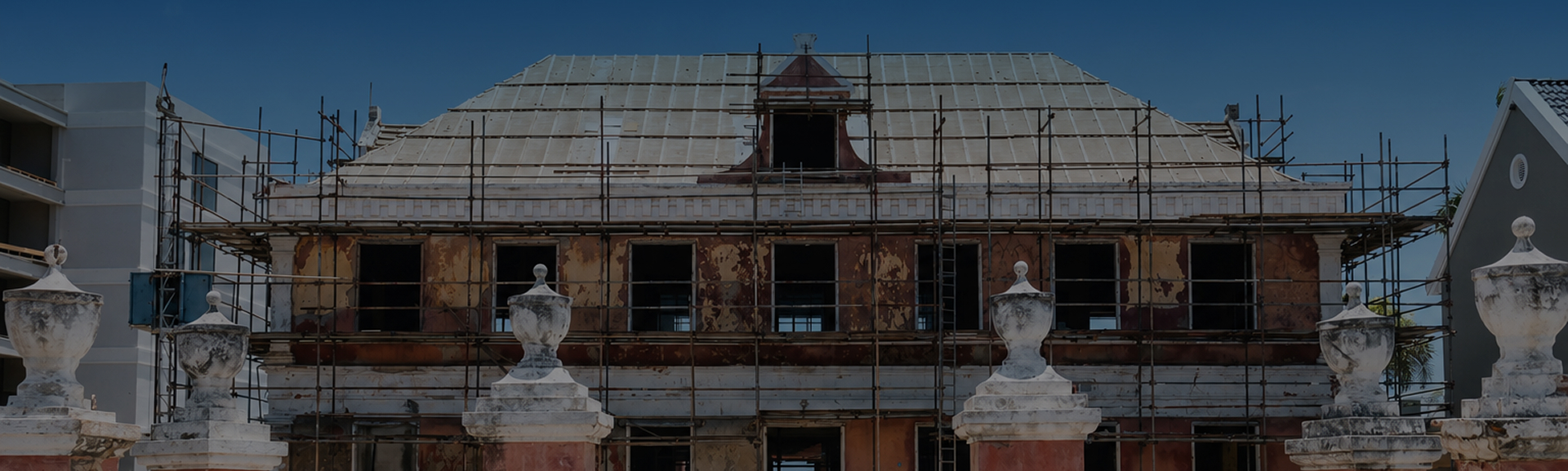
Kas di Pueblo is on Penstraat in Pietermaai and is a listed monument in the UNESCO World Heritage district of Willemstad. Today, it is part of The Pyrmont Curaçao Beach Resort, restored and included in the hotel’s living spaces next to Cero Bonito. To understand what this building is and why it is called “the People’s House,” it helps to look back at Curaçao’s political history in the mid-20th century.
The Building: Colonial Architecture on Penstraat
Kas di Pueblo is located on Penstraat, a side street off Pietermaaiweg in the center of Pietermaai. Like many buildings in the area, it was built during the 18th and 19th centuries, when the land east of the walled city of Punda was changing into a busy neighborhood filled with homes, villas, and businesses.
The building shows the typical features of Pietermaai’s colonial-era architecture. It is made of coral stone, with thick walls that help keep the interior cool in the Caribbean climate. The shuttered windows allow air to flow while blocking the sun. Details like horizontal bands, a formal entrance, and balanced proportions give the street its unique look in the UNESCO district.
Cero Bonito at Pietermaaiweg 160 was designed as a merchant’s showpiece, with neoclassical style, symmetry, and an impressive look. In contrast, Kas di Pueblo has a more civic purpose. It was built to be used, with solid and practical architecture, and does not have the grand features of the mansion next door.
Together, these two buildings show the range of Pietermaai’s historic architecture, from aristocratic to communal, and from private to public spaces.
1947: The Building Becomes “The People’s House”
The moment that defined Kas di Pueblo came in 1947, when the building was purchased by the Stichting Fondo di Autonomia — the Foundation for Autonomy — whose chairman was M.F. da Costa Gomez, known on the island simply as “Doktor.”
Dr. Moises Frumencio da Costa Gomez was a key political leader in Curaçao’s modern history. In 1948, he helped start the Nationale Volkspartij (National People’s Party, NVP), which shaped Curaçao’s move toward self-government. He was central to the talks that led to the Charter for the Kingdom of the Netherlands in 1954, which made the Netherlands Antilles a country within the Kingdom with its own autonomy. This was a major event in Caribbean political history, and Doktor played a leading role.
The building on Penstraat became the NVP’s party headquarters, where the movement for autonomy gathered, met, debated, and worked. It was named Kas di Pueblo, meaning the People’s House. This name was chosen on purpose. The building was not a government office or a merchant’s mansion, but a place for the people and their political movement.
Heritage authorities have given Kas di Pueblo the status of “volkskundige waarde,” which means folk or community cultural value, because it served as the home of the NVP (now the Partido Nashonal di Pueblo, P.N.P.) for fifty years. This community importance is recognized along with its architectural heritage, and in many ways, it is the more important part of its history.
Why This Political History Matters
Calling the building “the People’s House” and using it as the headquarters for a decolonization movement puts Kas di Pueblo in the wider story of Caribbean political history in the 20th century.
Curaçao was a Dutch colony starting in 1634. By the mid-1900s, movements for more autonomy were growing throughout the Caribbean. The Charter of 1954, which Doktor helped shape from the Penstraat building, was part of this change. It marked a shift from direct colonial rule to a partnership within the Kingdom.
The fact that this work happened in a building in Pietermaai, a neighborhood built from the colonial wealth that these movements were challenging, gives Kas di Pueblo extra meaning. The People’s House was on a street with 19th-century merchants’ mansions, making history from within the very architecture it aimed to change.
For anyone interested in Caribbean history, this background is important. Kas di Pueblo is more than just a heritage building; it is a real place where political history happened.
Reading the Architecture
Among Pietermaai’s colonial buildings, Kas di Pueblo represents the practical, civic side rather than the grandest examples. Still, it is just as important architecturally. It is a true part of the neighborhood, built with the materials and skills of its time.
Coral stone gives the building both its character and strength. This stone, taken from Curaçao’s ironshore coast, helps keep the thick-walled rooms cooler than you might expect. Because the stone is porous, the building has a lime-rendered, painted exterior, a feature seen on all of Willemstad’s historic buildings and the reason for the district’s unique color.
The windows and doors are placed and sized to allow for maximum cross-ventilation, a design made for the Caribbean climate long before air conditioning was available. The room sizes, ceiling heights, and floor plans show a building tradition that understood the local environment.
On Penstraat, Kas di Pueblo adds to the look and feel of a Pietermaai side street with its rendered coral stone, painted front, shuttered windows, and the balanced style of Dutch-Caribbean colonial buildings. The building truly fits its street.
Monument Status and Conservation
Kas di Pueblo is an officially listed monument in the UNESCO World Heritage area of Willemstad. It is protected under the same rules as Cero Bonito, managed by Stichting Monumentenzorg Curaçao. Any restoration must use traditional materials, authentic building methods, and match the look of the surrounding historic area.
Restoring Kas di Pueblo for The Pyrmont meant adding modern hotel features like plumbing, electrical systems, air conditioning, and Wi-Fi to a protected historic building without losing its special qualities. Following monument conservation rules is strict and challenging. The result is a building that stays true to its origins: restored, not replaced, and genuine, not fake.
Kas di Pueblo Within The Pyrmont
Along with Cero Bonito, Kas di Pueblo makes up the historic center of The Pyrmont Curaçao Beach Resort,
Cero Bonito is an aristocratic merchant mansion, with neoclassical style, symmetry, and built to show status. Kas di Pueblo is the People’s House, civic in nature, rooted in community and political goals, and built for a clear purpose.
Kas di Pueblo will be completly renovated and open for access in Phase 2 and will be home to our signature Spa, Rooftop
Together, they show the full range of Pietermaai’s history: a neighborhood that was home to both wealth and community, private ambition and shared goals. Staying at The Pyrmont lets you experience both sides of this story—the business and the civic, the architectural and the political.
Book your stay at The Pyrmont Curaçao and see for yourself why this island is one of the Caribbean’s most remarkable places.
Seamlessly Connected
Set on Curaçao’s southern coast, The Pyrmont Curaçao Beach Resort balances seclusion and access, a short walk to historic Willemstad and twenty minutes from the international airport.
Seamlessly Connected
Set on Curaçao’s southern coast, The Pyrmont Curaçao Beach Resort balances seclusion and access, a short walk to historic Willemstad and twenty minutes from the international airport.
Opening 2026
Be first to experience Curaçao’s new adults-only coastal sanctuary
FAQ
Kas di Pueblo is Papiamentu for “the People’s House.” The name was given to the building when it became the headquarters of the Nationale Volkspartij in 1947, reflecting its function as a space of community political life.
Kas di Pueblo is on Penstraat in the Pietermaai district of Willemstad, Curaçao, within the UNESCO World Heritage area of historic Willemstad.
The building served as NVP headquarters from 1947, the party that drove Curaçao’s movement for autonomy. Its chairman, Dr. M.F. da Costa Gomez, was co-founder of the NVP and played a central role in the 1954 Charter that established the Netherlands Antilles’ autonomy within the Kingdom of the Netherlands.
Yes. It is formally listed within the UNESCO World Heritage area of Willemstad, with both architectural heritage value and designated community cultural value for its function as NVP headquarters for half a century.
Part of The Pyrmont Curaçao Beach Resort, carefully restored and incorporated into the hotel’s living spaces alongside the adjacent Cero Bonito.
The building is part of the operating hotel. Guests staying at The Pyrmont experience Kas di Pueblo directly. The exterior can be viewed from Penstraat as part of a walk through Pietermaai.
How to Book Your Curaçao All-Inclusive Resort: Step-by-Step Planning Guide
Booking a Curaçao all-inclusive vacation seems simple at first. But there are more details to consider, like flights, resort packages, room types, transfers, excursions, travel insurance, and making sure you get the best price at the right time.
Here’s how to plan your trip from beginning to end.
Step 1: Get Clear on What You Actually Want
Before you start searching online, take about twenty minutes to think honestly about the kind of trip you want. Many people skip this step and end up at a resort that isn’t the right fit.
Think about who is traveling and the purpose of your trip. For example, a couple looking for a romantic getaway and a family of four will want very different things from a resort. Whether you want relaxation, diving, exploring culture, or celebrating, knowing your main goal will help guide your choices.
Consider how long you’ll be staying. If your trip is four nights, it’s best to stay near Willemstad to enjoy the city. For a ten-night stay, a more remote resort with lots of on-site amenities might be worth it. In general, all-inclusive packages offer better value the longer you stay.
Be honest about your actual budget, not just your ideal one. Curaçao all-inclusive packages range from good value to high-end luxury. Set your spending limit before you start looking, so you don’t get attached to something outside your price range.
Decide what must be included in your package. This could be alcohol, diving, special dining options, or kids’ activities. Check the list of what’s included and figure out your must-haves before you compare resorts.
Step 2: Choose Your Resort
Once you’ve figured out your needs, you can compare resorts based on what’s important to you, not just how they look in photos.
Start by thinking about location. Resorts near Willemstad let you walk to restaurants, nightlife, and cultural spots. More remote west-coast resorts offer more privacy and often better private beaches. Both options are good; it just depends on how much of the island you want to experience.
The Pyrmont Curaçao Beach Resort sits in Pietermaai, a UNESCO-listed neighborhood in the heart of Willemstad. You’re not in a resort bubble — you’re in a living neighborhood, with the city and the Caribbean both a short walk away.
The size of the resort is important as well. Bigger resorts have more facilities, entertainment, and a lively atmosphere by the pool. Smaller boutique resorts feel more personal and unique, giving you a real sense of place.
Check the full list of what’s included, not just the summary. Make sure you know which restaurants are part of the package, what drinks are covered, which activities are free, and what you’d need to pay extra for.
Read recent reviews from the last six months. Pay attention to comments about food, room quality, and staff service, since these are areas where resorts can fall short and photos may not tell the whole story.
Check what the beach is really like at each resort. Some places are called beachfront but may have rocky or narrow beaches. It’s best not to assume.
Step 3: Sort Your Flights
Curaçao is served by Hato International Airport (CUR), about 12 kilometers northwest of Willemstad.
From North America, direct routes operate from Miami, New York JFK, Atlanta, and Toronto, with connection options through major hub airports. From Europe, KLM runs regular direct service from Amsterdam Schiphol. From South America, Curaçao has strong regional connectivity with Colombia, Venezuela, and Brazil.
Here are a few tips: Book your flights separately from your resort package for more flexibility and often similar prices. Flying midweek, like on Tuesday or Wednesday, is usually cheaper than weekends. If you’re bringing dive gear, check baggage rules ahead of time. For connecting flights, allow at least 90 minutes for US domestic connections and two hours for international ones. Caribbean routes through Miami or Amsterdam can be tight, so give yourself enough time.
Step 4: Compare Booking Channels
Try booking directly with the resort first. Most places offer rate-match guarantees and extra perks for booking direct, like room upgrades, resort credits, or early check-in, which you won’t get through third-party sites. At The Pyrmont, booking at thepyrmontcuracao.com also connects you with staff who know the property and can help you choose the best room and package.
Online travel agencies like Booking.com, Expedia, and Hotels.com are great for comparing prices and doing research. Only book through them if the price is much better, after considering what you might miss out on by not booking directly.
Caribbean travel specialists are helpful for complicated trips or luxury bookings. They often have access to group rates and upgrades that you won’t find online.
All-inclusive tour operators like Sunwing or TUI offer packages that include flights for travelers from Europe and North America. These are good for simple trips, but not the best choice if you want a boutique resort.
Step 5: Verify Before You Confirm
Before you pay, run through a final check:
- Read the inclusions list one more time. Is everything you’re expecting actually confirmed?
- Check the specific room category. “Sea view” can mean very different things at different properties.
- Confirm check-in and check-out times against your flights, and know what happens with meals on partial days.
- Make sure you understand the cancellation policy. All-inclusive bookings usually have stricter deadlines than room-only rates, so know when canceling could become expensive.
- Clarify the deposit and payment schedule. Some resorts require full payment at booking; others take a deposit with the balance due closer to travel.
Step 6: Arrange Airport Transfers
- Curaçao taxis don’t use meters. Fares are either fixed or negotiated. Here are three options to consider:
A pre-booked resort transfer is the easiest option. A driver will meet you with a sign, and you won’t need to negotiate. Book this when you reserve your resort. - Private transfer services, like Welcome Pickups, cost about the same and give you more flexibility with timing.
- Taking a taxi from the airport is also a good option. Just agree on the price before you get in. The ride to Pietermaai takes about 15 to 20 minutes.
If you want to explore the island on your own, renting a car at the airport is a good idea. Remember, people drive on the right side in Curaçao.
Step 7: Get Travel Insurance
All-inclusive packages require you to pay a lot up front. Trip cancellation insurance helps protect your money if something happens before your trip.
Choose a policy that covers trip cancellation for illness or emergencies, has enough medical coverage for the Caribbean (since many home health plans don’t work there), includes emergency evacuation, and covers lost or delayed baggage. This is especially important if you’re bringing dive gear.
Buy travel insurance soon after you book your first part of the trip, not right before you leave. Some cancellation coverage only applies if you buy it within a certain time after booking.
Step 8: Plan the Extras
Once your resort, flights, and insurance are set, here are a few more things to consider:
Excursions like Klein Curaçao day trips, diving courses, and zip lining can fill up during busy times. It’s best to research and book these in advance instead of waiting until you arrive.
If your resort has specialty restaurants that need reservations, ask the front desk to book them for you when you check in. The best times fill up quickly.
If you want to rent a car to explore, book it ahead of time. Cars can be hard to find during busy seasons.
Even with an all-inclusive package, bring some cash or a card for excursions, shopping in Willemstad, tips, and meals outside the resort. US dollars are accepted in most places.
Step 9: Prepare for Arrival
US, Canadian, and EU citizens generally don’t need a visa for stays under 30 days. Check current entry requirements with your travel authority before departure, as these can change.
When packing, remember to bring reef-safe sunscreen, since some parts of Curaçao restrict chemical sunscreens to protect the coral. Also pack a light sweater for air-conditioned restaurants, comfortable shoes for walking around Willemstad, and any special gear you’ll need for your activities.
Before you leave, save your resort’s phone number, your transfer company’s contact, and your travel insurance emergency number somewhere you can access without internet.
When to Do What
- 4–6 months out: Research, shortlist resorts, check flights
- 3–5 months out: Book peak-season stays; book flights
- 2–4 months out: Book shoulder/low-season resorts; purchase travel insurance
- 6–8 weeks out: Book airport transfers, car rental, major excursions
- 2–4 weeks out: Confirm all reservations; check entry requirements
- 1 week out: Pack; download offline maps; save emergency contacts
- On arrival: Book remaining restaurant reservations; ask the concierge for local tips
Book your stay at The Pyrmont Curaçao and see for yourself why this island is one of the Caribbean’s most remarkable places.
Seamlessly Connected
Set on Curaçao’s southern coast, The Pyrmont Curaçao Beach Resort balances seclusion and access, a short walk to historic Willemstad and twenty minutes from the international airport.
Seamlessly Connected
Set on Curaçao’s southern coast, The Pyrmont Curaçao Beach Resort balances seclusion and access, a short walk to historic Willemstad and twenty minutes from the international airport.
Opening 2026
Be first to experience Curaçao’s new adults-only coastal sanctuary
FAQ
It depends on when you want to travel. For the busiest travel months, book three to five months ahead to lock in rates and availability. For quieter months, two to four months out usually works. All-inclusive packages tend to offer better value the longer you stay, so a longer trip can stretch your budget further.
Booking directly often comes with perks you won’t find on third-party sites, such as room upgrades, resort credits, or early check-in, plus rate-match guarantees. Booking at thepyrmontcuracao.com also connects you with staff who know the property and can help match you to the right room and package. Online travel agencies are useful for comparing prices, but weigh what you might give up before booking through them.
Hato International Airport (CUR) sits about 12 kilometers from Willemstad, and the drive to Pietermaai takes roughly 15 to 20 minutes. A pre-booked resort transfer is the easiest option, since a driver meets you and there’s no fare to negotiate. Private transfer services and airport taxis also work. With taxis, agree on the price before you get in, as Curaçao cabs don’t use meters.
It’s worth considering. All-inclusive trips ask for a lot of payment up front, so trip cancellation coverage protects that money if something comes up before you travel. Look for a policy with cancellation cover, enough medical coverage for the Caribbean, emergency evacuation, and baggage protection. Buying it soon after your first booking is smart, since some cancellation cover only applies within a set window.
US, Canadian, and EU citizens generally don’t need a visa for stays under 30 days. Entry rules can change, so check the current requirements with your travel authority before you leave.
Top 10 Things to Do in Curaçao: Activities Inside and Outside Your Resort
Curaçao is a place that rewards curiosity. The more you explore, both above and below the water, the more you discover. While an all-inclusive resort is a great starting point, the real adventure is out on the island. Here are the top ten things to do in Curaçao, including activities at top resorts and experiences you’ll find beyond their doors.
1. Dive or Snorkel Curaçao’s Reefs
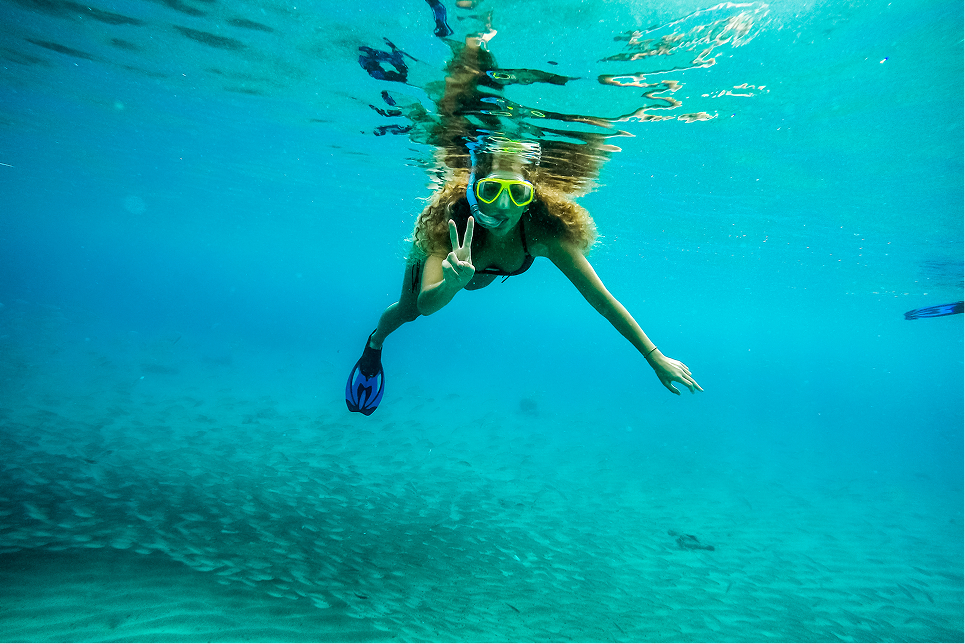
This is a must-do. Curaçao offers some of the best diving and snorkeling in the Caribbean. The southern coast features a long fringing reef that drops into clear water, with visibility often reaching 30 meters (100 feet) or more. You’ll find healthy coral, dramatic walls, sea turtles, eagle rays, reef sharks, and hundreds of tropical fish.
Standout dive sites include Mushroom Forest (an otherworldly collection of mushroom-shaped coral heads), Tugboat (a shallow wreck perfect for beginners), Blue Room (a cave lit from below by blue light), and the cliff wall at Klein Curaçao. For snorkelers, Playa Kalki and Cas Abao offer excellent conditions directly from shore.
Most all-inclusive resorts include snorkeling gear. Scuba diving is booked separately through on-site dive operations or independent dive shops.
2. Explore UNESCO-Listed Willemstad
Willemstad is truly one of the Caribbean’s must-see cities. Its historic center is a UNESCO World Heritage Site, with some of the best-preserved Dutch-colonial architecture anywhere. The buildings are painted in pastel yellows, corals, blues, and pinks that look even richer under the midday sun.
The city splits into two districts connected by the Queen Emma Pontoon Bridge. On one side, Punda is the older commercial center with restored warehouses, boutiques, and a lively waterfront. On the other, Otrobanda has a quieter, more residential character. Don’t miss the Handelskade waterfront, the Floating Market where Venezuelan vendors sell fresh produce from their boats, and the Kura Hulanda Museum — a powerful, important museum on the history of the Atlantic slave trade.
From The Pyrmont, the Pietermaai location puts Willemstad’s central highlights within a short walk, making urban exploration spontaneous rather than a planned day trip.
3. Spend a Day at Klein Curaçao
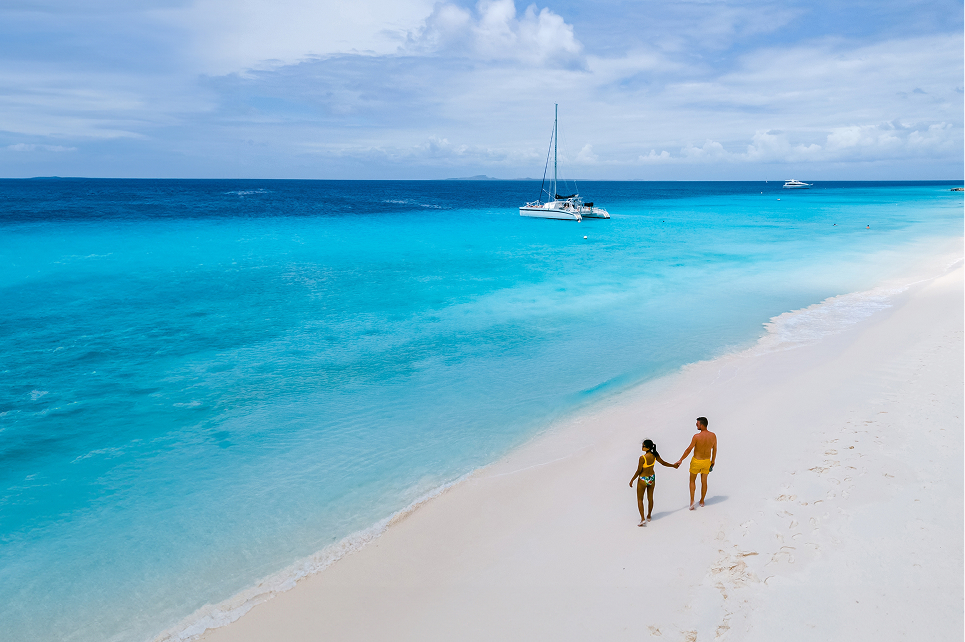
Klein Curaçao, which means “Small Curaçao,” is the island’s uninhabited little sibling, located about 15 kilometers off the southeastern tip. Taking a day trip here is one of the best excursions you can do.
What you get: a narrow strip of brilliant white sand, crystal-clear water in multiple shades of blue, a photogenic lighthouse, and a shipwreck on the northern shore accessible to snorkelers. No facilities beyond what your boat brings. That’s the point.
Day trips leave regularly from Willemstad’s harbor and usually include transport, snorkeling, and lunch on board. It’s best to book ahead through your resort or directly with tour operators, as these trips fill up quickly.
4. Visit the Island’s Best Beaches
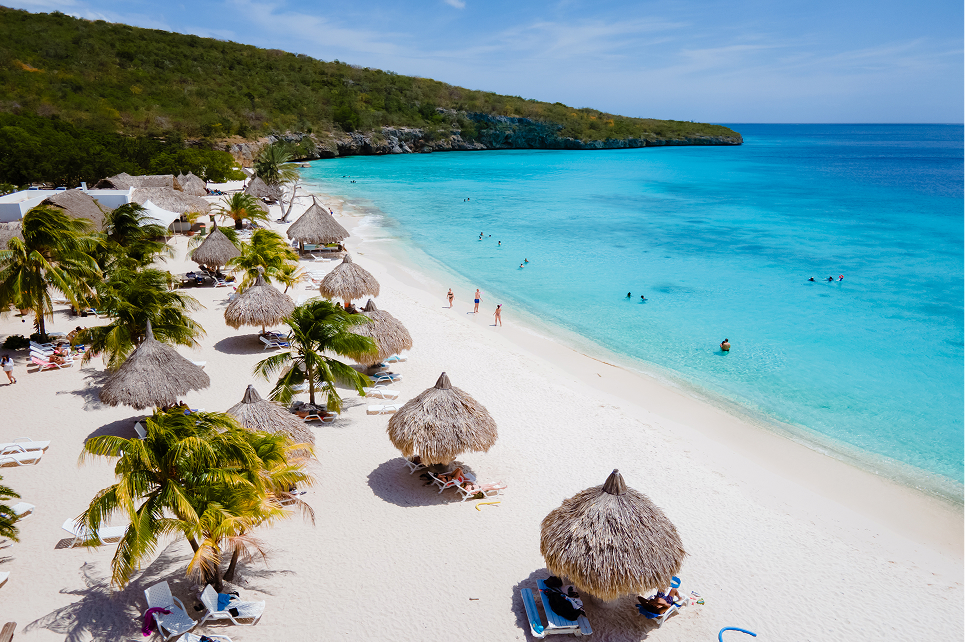
Curaçao has over 35 beaches, each with its own character. A few worth making the effort for:
Cas Abao is a wide, well-kept beach with great snorkeling. There’s a small entrance fee and basic facilities, making it worth the drive from Willemstad.
Playa Kenepa Grandi (Knip Beach) sits in a natural bay surrounded by ochre cliffs, with water colors that genuinely rival the most photographed beaches in the Caribbean. Visit on a weekday to avoid the weekend crowds.
Playa Lagun is small and tucked into a narrow inlet. Sea turtles are frequently spotted here, making it one of the more reliable spots for turtle encounters on the island.
Playa Forti has a clifftop restaurant and, for those with the nerve, a cliff jump into the sea. The views alone justify the drive.
Jan Thiel Beach is more lively, with beach clubs, restaurants, water sports, and a fun social atmosphere that’s popular with both locals and visitors.
5. Try Authentic Curaçao Food and Drink
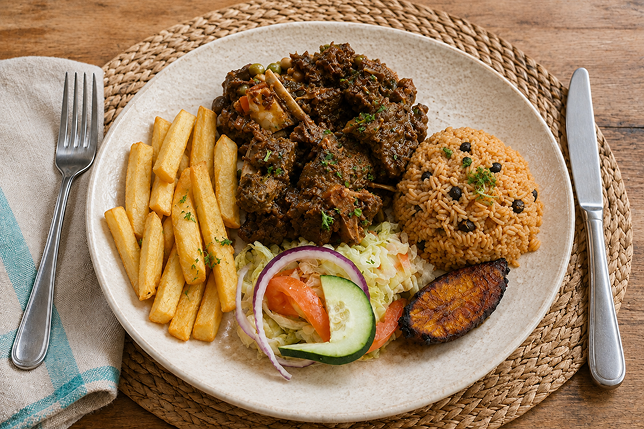
Curaçao cuisine is genuinely rewarding and underexplored. It’s a hybrid of Dutch, African, Latin American, and indigenous Arawak influences, and the island has a strong culinary identity of its own.
Keshi yená is the island’s most iconic dish. It’s a hollowed-out wheel of Edam or Gouda cheese filled with spiced chicken or beef, then baked until fragrant. It’s rich, unique, and delicious.
Pastechi are deep-fried pastry pockets filled with cheese, meat, or fish. They’re a staple of Curaçaoan street food and a favorite breakfast for locals. Try one from a roadside vendor and you’ll see why.
Pan sera is a traditional bread, slightly sweet and dense, often served alongside soups and stews. Simple, satisfying, and distinctly local.
If you’re feeling adventurous, you’ll find iguana soup on menus across the island. This traditional dish has deep roots in Curaçaoan food culture. It’s not for everyone, but locals will respect you for giving it a try.
Blue Curaçao, the island’s most famous export, is a liqueur made from the dried peel of the laraha citrus, which only grows here. Visit Landhuis Chobolobo, home of the original Senior brand, for a tour and tasting.
Good all-inclusive resorts incorporate local food into their menus. Ask specifically about local dishes rather than defaulting to the international buffet.
6. Take a Walking Tour of Pietermaai
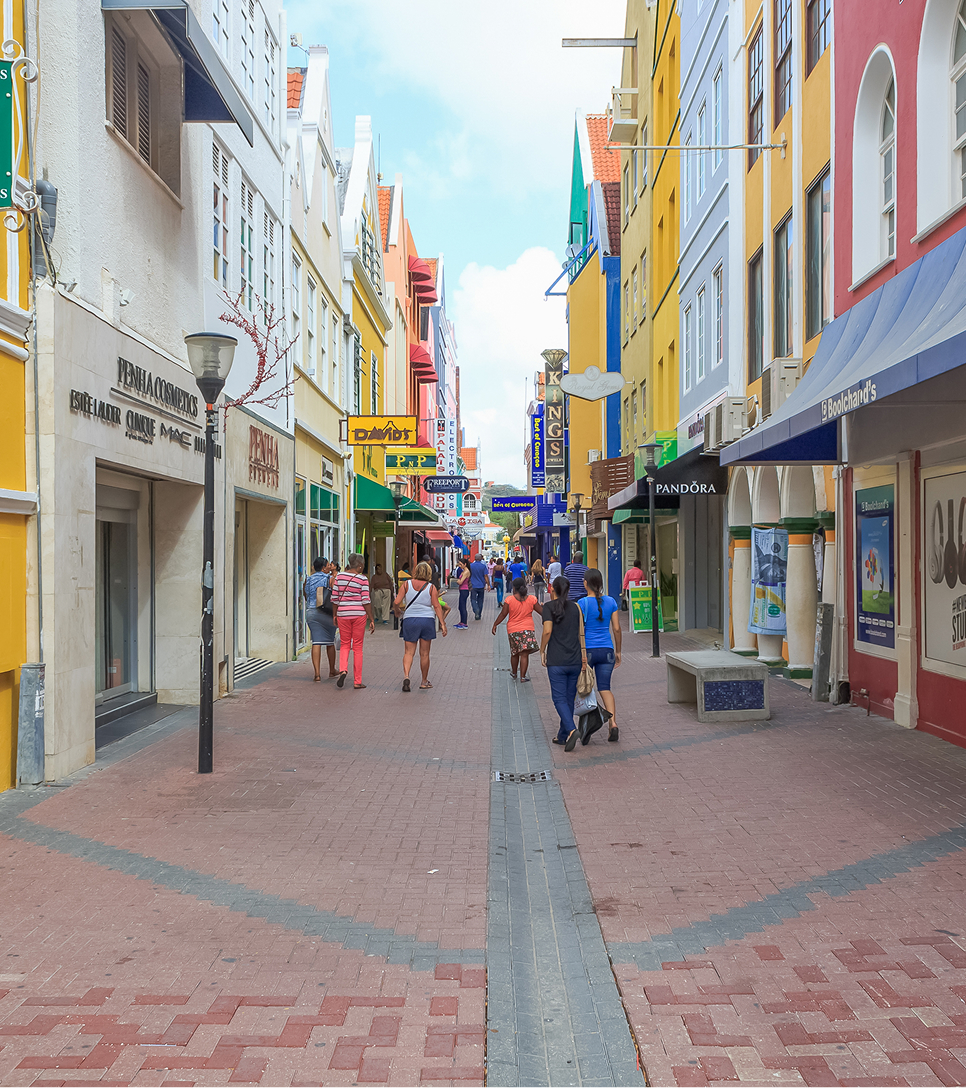
Pietermaai is Willemstad’s most atmospheric neighborhood. This area of restored 18th and 19th-century colonial mansions has seen a remarkable revival over the past twenty years, turning from semi-abandoned to one of the Caribbean’s most interesting urban neighborhoods.
You’ll see pastel facades, ornate cornices, and bougainvillea climbing over iron railings. At street level, boutique hotels, galleries, wine bars, and restaurants now fill spaces that were once abandoned. The Pyrmont is part of this story, with its two buildings, Cero Bonito and Kas di Pueblo, counted among the district’s historic monuments.
A walking tour here is one of the best affordable things to do in Curaçao. The district is compact, easy to explore on foot, and truly beautiful. Ask your hotel about guided tours, or just take a stroll yourself. The neighborhood’s charm is easy to see.
7. Go Zip Lining
If you’re looking for a different kind of thrill, Curaçao offers zip-lining in the island’s dry scrubland. You’ll soar above dramatic landscapes filled with divi-divi trees, cacti, and rocky outcrops, with views that stretch all the way to the coast.
It’s accessible for most fitness levels and works well as an afternoon excursion. It doesn’t require a full day away from the resort and can easily be combined with a beach stop or a meal in Willemstad on the same outing.
8. Watch the Queen Emma Bridge Open
It’s a pedestrian bridge over a harbor channel. And yet it’s one of the most charming small moments Willemstad has to offer.
Built in 1888 and still operational, the Queen Emma Pontoon Bridge is a floating structure that rotates horizontally to allow ships through the channel between Punda and Otrobanda. It opens multiple times daily. When it does, pedestrians take a free ferry across instead.
The bridge itself is charming, painted white and made of wood, with old-fashioned lamp posts. The real highlight is the view: you can see the colorful Handelskade waterfront on one side, the open sea on the other, and a steady stream of ships passing by. It’s especially beautiful in the late afternoon when the sunlight hits the buildings.
9. Experience Pietermaai After Dark
Curaçao is surprisingly lively at night. In the evenings, Pietermaai fills with people at outdoor restaurant tables, music drifts from bars, and the neighborhood takes on a warm, social energy that feels Caribbean but never rowdy.
The Handelskade area in Punda has waterfront bars and restaurants. Otrobanda has a more local, less tourist-polished bar scene. Jan Thiel, east of Willemstad, has beach clubs that transition into nightlife venues as the evening goes on.
For guests at The Pyrmont, the Pietermaai location means all of this is walking distance rather than taxi distance.
10. Visit Shete Boka National Park
For a completely different side of the island, Shete Boka (Seven Inlets) National Park on the rugged north coast offers dramatic coastal scenery that has nothing to do with postcard-blue beaches.
The northern coastline is exposed to the full force of the open Atlantic. Waves crash into sea caves, blowholes erupt with spray, and natural rock bridges span inlets where the water turns from blue to green to white. Sea turtles nest on the rocky beaches here.
Well-marked walking trails connect the various boka (inlets), and doing it properly takes two to three hours. It’s a meaningful contrast to beach days and gives you a genuine sense of the island’s wilder character.
Planning Your Days: A Few Practical Notes
Alternate resort and off-resort days. One of Curaçao’s advantages as an all-inclusive destination is that leaving the resort to explore feels easy and rewarding, not risky or complicated.
Rent a car for flexibility. The island’s beaches, parks, and attractions are spread out, and public transport is limited. A rental from the airport or a Willemstad location opens up everything.
Book popular excursions early. Klein Curaçao day trips, diving packages, and Carnival events fill up. Don’t assume you can book the day before.
Combine activities. The island is small enough that a morning at Kenepa Beach and an afternoon at Shete Boka fits comfortably on the same drive. Ask your hotel for route suggestions.
Curaçao truly rewards travelers who take time to explore. There’s plenty to enjoy at your resort, but the real character of the island comes alive when you venture beyond its gates.
Book your stay at The Pyrmont Curaçao and see for yourself why this island is one of the Caribbean’s most remarkable places.
Seamlessly Connected
Set on Curaçao’s southern coast, The Pyrmont Curaçao Beach Resort balances seclusion and access, a short walk to historic Willemstad and twenty minutes from the international airport.
Seamlessly Connected
Set on Curaçao’s southern coast, The Pyrmont Curaçao Beach Resort balances seclusion and access, a short walk to historic Willemstad and twenty minutes from the international airport.
Opening 2026
Be first to experience Curaçao’s new adults-only coastal sanctuary
FAQ
Curaçao’s southern coast has a long fringing reef that drops into clear water, with visibility often reaching 30 meters or more. Standout dive sites include Mushroom Forest, the Tugboat wreck (shallow and good for beginners), the Blue Room cave, and the wall at Klein Curaçao. For snorkeling straight from shore, Playa Kalki and Cas Abao offer excellent conditions. Most all-inclusive resorts include snorkeling gear, while scuba diving is usually booked separately through a dive operation.
Klein Curaçao is an uninhabited island about 15 kilometers off the southeastern tip of Curaçao. Day trips leave regularly from Willemstad’s harbor and usually include transport, snorkeling, and lunch on board. These trips fill up quickly, so it’s best to book ahead through your resort or directly with a tour operator.
Start with keshi yená, the island’s most iconic dish: a hollowed wheel of Edam or Gouda filled with spiced chicken or beef and baked. Pastechi (fried pastry pockets with cheese, meat, or fish) are a street food staple and a favorite local breakfast. Pan sera, a slightly sweet dense bread, often comes with soups and stews. For a drink, Blue Curaçao is made from the dried peel of the laraha citrus that grows only here, and you can tour and taste at Landhuis Chobolobo.
A rental car helps a lot. The island’s beaches, parks, and attractions are spread out, and public transport is limited, so a car from the airport or a Willemstad location opens up everything. That said, if you’re staying in Pietermaai, much of central Willemstad’s highlights, dining, and nightlife are within walking distance.
Plenty. Willemstad’s UNESCO-listed historic center has some of the best-preserved Dutch-colonial architecture in the Caribbean, along with the Queen Emma Pontoon Bridge that rotates open for passing ships. Shete Boka National Park on the rugged north coast offers sea caves, blowholes, and walking trails that take two to three hours. You can also go zip lining over the island’s dry scrubland, take a walking tour of Pietermaai’s restored mansions, or explore the neighborhood’s social evening scene.
Where Is Curaçao Located? Your Complete Island Guide
If you’ve ever typed “where is Curaçao located” into a search engine, you’re not alone. This small Dutch Caribbean island has been gaining worldwide attention for years. Now, with the Blue Wave Curaçao’s national football team competing in the World Cup for the first time, the world is finally taking notice.
Curaçao is in the southern Caribbean Sea, about 40 miles (65 km) north of Venezuela. Whether you’re planning your first trip or coming back for another visit, here’s what you need to know about its geography, climate, culture, beaches, and places to stay.
Where Is Curaçao, Exactly?
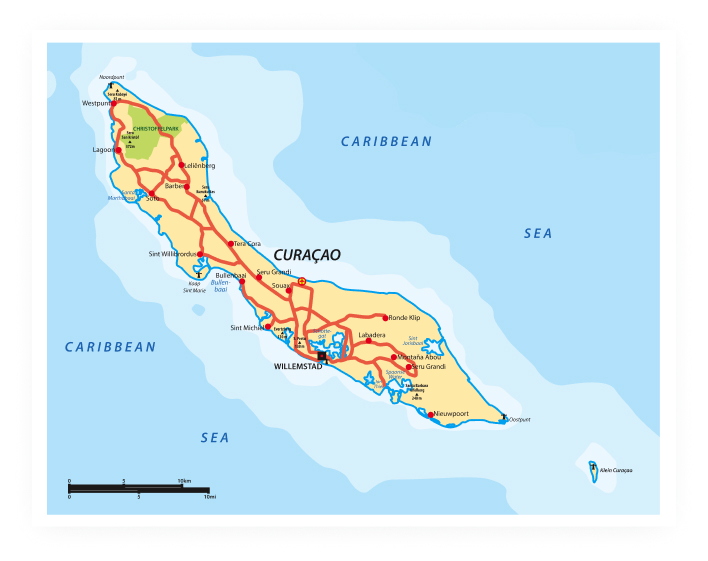
Curaçao is in the southern Caribbean Sea at about 12.17°N latitude and 68.99°W longitude, roughly 40 miles north of Venezuela. It’s one of the closest Caribbean islands to South America.
Curaçao is outside the main hurricane belt, unlike most Caribbean destinations. This means you can expect warm, sunny weather almost every day, with average temperatures around 85°F (29°C) and comfortable trade winds.
A few quick facts worth knowing:
- Size: 171 square miles (444 km²) — about 40 miles long, 2–9 miles wide
- Capital: Willemstad
- Population: approx. 156,000
- Distance from Venezuela: ~40 miles (65 km) north
- Distance from Aruba: ~44 miles (70 km) west
- Distance from Bonaire: ~30 miles (48 km) east
- Highest point: Mount Christoffel at 1,220 ft (372 m)
The ABC Islands
To see where Curaçao is, it helps to know about the ABC Islands. These are three Dutch Caribbean territories just north of South America:
Aruba is the westernmost island, known for its white sandy beaches. Bonaire is famous for being one of the world’s best shore diving spots. Curaçao is the largest, offering a unique mix of culture, history, and natural beauty that makes it stand out.
These three islands make up the Leeward Antilles and are all part of the Kingdom of the Netherlands. On a map, Curaçao is just east of Aruba and west of Bonaire, forming a natural arc along the northern coast of Venezuela.
What Country Is Curaçao In?
Curaçao’s location gives it a great climate. It sits 12 degrees north of the equator and south of the hurricane belt, making it one of the few Caribbean islands you can visit comfortably any time of year.
Temperatures stay between 27–29°C (81–85°F) all year. The rainy season is from October to January, but rain usually comes as short, heavy showers instead of long, gray days. From February to September, it’s mostly sunny. Hurricanes are very rare, and steady trade winds from the east keep things comfortable, especially in spring.
This makes Curaçao a great choice during months when other Caribbean islands face storms or high humidity. It’s one of the most reliable destinations in the region.
Climate: A Year-Round Destination
An all-inclusive package bundles your accommodation, meals, drinks, and a selection of activities into one upfront price. In Curaçao, that typically covers your room, breakfast through dinner, unlimited house beverages, pool and beach access, non-motorized water sports, and evening entertainment.
Premium packages may include specialty dining, top-shelf drinks, motorized water sports, spa access, and airport transfers. However, ‘all-inclusive’ can mean different things at different resorts, so it’s important to check the details before you book.
How to Get There
Hato International Airport (CUR) near Willemstad serves Curaçao. You can fly direct from Miami, New York, Atlanta, and Houston in the US; Amsterdam in Europe; Toronto in Canada; and cities like Bogotá, and Medellín in the Caribbean and South America.
Flights take about 3.5 hours from Miami, 4.5 hours from New York, and 9 hours from Amsterdam. There are no large passenger ferries from nearby islands, so flying is the best way to get here.
What Curaçao Is Famous For
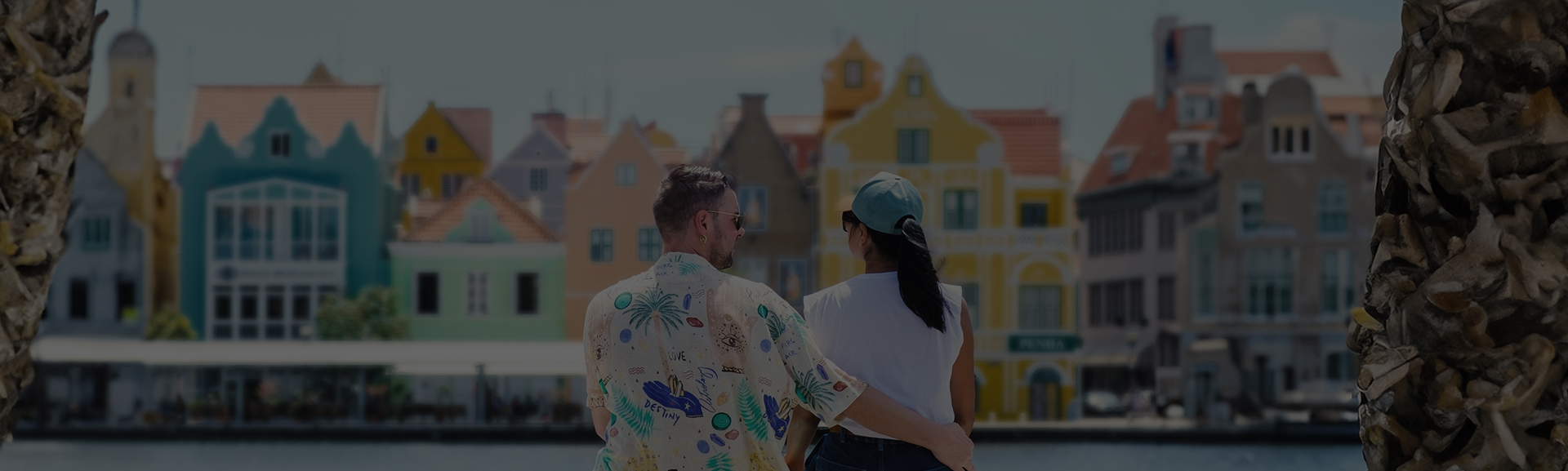
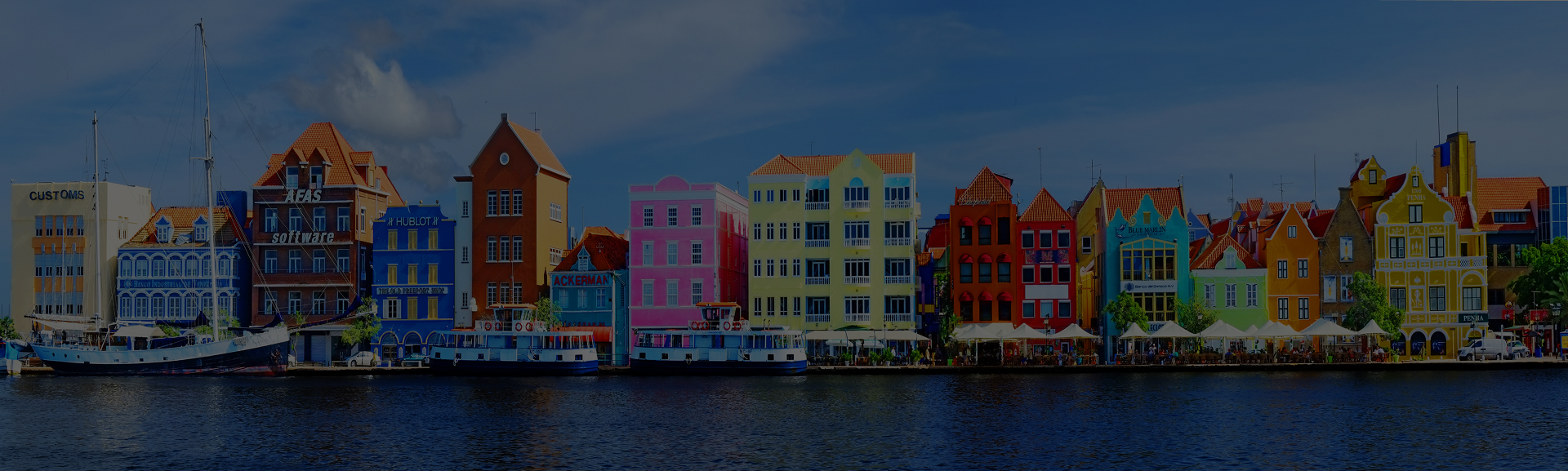
Willemstad is a UNESCO World Heritage capital. The Handelskade waterfront, with its row of Dutch colonial buildings in bright pastel colors, is one of the Caribbean’s most photographed spots. The Queen Emma floating bridge links the Punda and Otrobanda neighborhoods across Sint Annabaai harbor. The Pyrmont Curaçao is in the lively Pietermaai district, just steps from the UNESCO-listed waterfront, in two beautifully restored 19th-century buildings: Cerro Bonito and Kas di Pueblo.
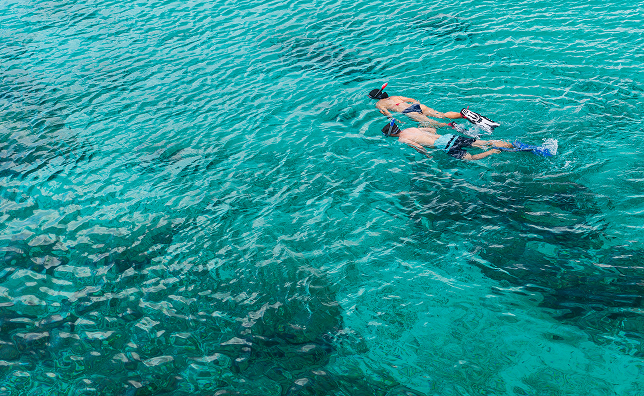
Curaçao is known for world-class diving and snorkeling. Its spot on the South American continental shelf creates amazing marine conditions. The Curaçao Underwater Marine Park runs along 20 km of the southern coast, with visibility up to 30 meters. The island is often ranked among the world’s top diving destinations. Blue Curaçao liqueur is world-famous and truly made here. It’s produced from the dried peels of the Laraha orange, a citrus fruit that only grows on the island. You can visit the Chobolobo distillery in Salinja for a tour and tasting.
Curaçao has beaches for everyone. Grote Knip (Playa Kenepa) features clear turquoise water and dramatic cliffs. Playa Lagun is a small cove where you might spot sea turtles. Cas Abao is a wide, white-sand beach that’s great for families. Jan Thiel offers a lively beach bar scene near Willemstad. Klein Curaçao, an uninhabited island you can visit on a day trip, has pristine beaches, a lighthouse, and a snorkeling wreck.
The Blue Wave, Curaçao’s national football team, is making history by qualifying for the FIFA World Cup for the first time. For an island of 156,000 people, this is a huge achievement. The excitement and pride are everywhere, and visitors can feel it too. It’s a special time to visit Curaçao.
Curaçao’s culture, history, and architecture are shaped by Indigenous Arawak roots, Dutch colonialism, African heritage, and Latin American influence. This mix makes it one of the Caribbean’s most culturally rich islands. Carnival, the North Sea Jazz Festival, and the local food scene all show off this unique blend.
Is Curaçao Safe?
Curaçao is known as one of the safer Caribbean destinations, thanks to its stable government, reliable Dutch-influenced infrastructure, and strong tourism industry. As with any trip, take normal precautions, especially in some areas of Willemstad after dark, but overall it’s a low-risk place to visit. The island also has low earthquake risk, no active volcanoes, and is outside the hurricane belt.
Where to Stay: The Pyrmont Curaçao
If you’re looking for heritage, design, and real local culture instead of a typical resort, The Pyrmont Curaçao, part of the Marriott Autograph Collection, is the top choice in Willemstad.
The Pyrmont is in Pietermaai, Willemstad’s most famous historic neighborhood, and is set in two carefully restored 19th-century buildings: Cerro Bonito and Kas di Pueblo. This adults-only, all-inclusive hotel feels truly connected to its location—it’s not a generic resort, but a place that could only exist here.
You’ll be just steps from UNESCO-listed Willemstad, with easy access to dive shops, beach shuttles, island tours, and the best restaurants, galleries, and nightlife—all within walking distance.

Curaçao won’t be a secret much longer. The Blue Wave’s World Cup debut has put the island in the global spotlight. The beaches, culture, architecture, and diving have always been here, just waiting to be discovered. Now, the world is finally noticing.
Curaçao stands out because of its location. It’s close enough to South America to have centuries of cultural influence, far enough south to avoid hurricanes, and small enough to feel authentic instead of crowded.
When you’re ready to visit, The Pyrmont Curaçao will be waiting for you in the heart of Willemstad’s most historic neighborhood.
Book your stay at The Pyrmont Curaçao and see for yourself why this island is one of the Caribbean’s most remarkable places.
Seamlessly Connected
Set on Curaçao’s southern coast, The Pyrmont Curaçao Beach Resort balances seclusion and access, a short walk to historic Willemstad and twenty minutes from the international airport.
Seamlessly Connected
Set on Curaçao’s southern coast, The Pyrmont Curaçao Beach Resort balances seclusion and access, a short walk to historic Willemstad and twenty minutes from the international airport.
Opening 2026
Be first to experience Curaçao’s new adults-only coastal sanctuary
FAQ
In the southern Caribbean Sea, approximately 40 miles north of Venezuela. It’s the largest of the three ABC Islands (Aruba, Bonaire, and Curaçao) and part of the Dutch Caribbean.
Curaçao is an autonomous country within the Kingdom of the Netherlands — it governs its own internal affairs but shares the Dutch monarchy, military, and foreign policy.
Willemstad, a UNESCO World Heritage Site known for its colorful Dutch colonial architecture along the Handelskade waterfront.
No. Curaçao sits outside the main hurricane belt, which means reliable sunny weather year-round, including during peak hurricane season (June–November).
Via Hato International Airport (CUR), near Willemstad. Direct flights from Miami, New York, Amsterdam, Toronto, and several Caribbean and South American cities.
Four official languages: Papiamentu, Dutch, English, and Spanish. Most locals speak all four. English is widely spoken in the tourism industry.
Colorful colonial Willemstad (UNESCO World Heritage Site), world-class scuba diving, the Blue Curaçao liqueur, stunning beaches, a remarkable multicultural heritage, and right now — the Blue Wave, competing in the FIFA World Cup for the first time.
For the heart of Willemstad’s most vibrant historic neighborhood, The Pyrmont Curaçao (Marriott Autograph Collection) in Pietermaai combines heritage architecture, boutique character, and walkable access to the best the island has to offer.
Best Time to Visit Curaçao for All-Inclusive Deals: Month-by-Month Guide
Most Caribbean travel advisors will tell you that almost any time is a good time to visit Curaçao. The island sits south of the Atlantic hurricane belt and has one of the most reliable climates in the region. This makes planning a trip here much simpler than for many other Caribbean destinations.
Still, there are real differences throughout the year. Prices change, crowds vary, and some months have special weather, festivals, or better conditions for certain activities. Here’s a month-by-month look at what you can expect.
The Climate Basics
Temperatures stay steady all year, with highs between 29 and 32°C (84 to 90°F). Thanks to steady northeast trade winds, the island rarely feels too hot.
Rainfall is low. Curaçao is drier than most Caribbean islands, with about 550mm (22 inches) of rain each year. Even in the wettest months, rain usually comes as quick showers instead of long, gloomy days.
There is very little risk of hurricanes. Curaçao is at 12° north latitude, well below the main hurricane path. This is a real advantage for travelers booking all-inclusive trips in advance. The trade winds blow almost all the time, making outdoor activities comfortable. They are stronger from January to March, which is good to know if you plan to sail or do water sports.
Month by Month
January is the peak season. After the holidays, many visitors from North America and Europe arrive, so all-inclusive rates are among the highest, especially in the first two weeks. The weather is sunny and warm at 28 to 30°C. The trade winds are strongest now, which is fine for relaxing on the beach, but northern beaches can be rough for kayaking or paddleboarding. For water sports, the south-coast and leeward beaches are a better choice during this time.
February is one of the best months to visit the island. The weather is sunny, dry, and breezy. It’s also Carnival season, which is one of the most spectacular celebrations in the Caribbean. The Gran Marcha, music trucks, and street parties turn Willemstad into a lively festival. If your travel dates match, it’s worth planning your trip around Carnival. Prices are higher, but the experience is worth it.
March is a good month overall, but spring break brings more visitors. From mid to late March, resorts get crowded and prices go up as many North Americans visit. Try to travel in early or late March to avoid the crowds and enjoy some of the best diving conditions of the year.
April is when value improves. The winds become lighter, the sea is calmer, and all-inclusive rates drop after spring break. You get almost perfect weather at much lower prices, which is great for couples and people who enjoy water sports.
May is possibly the best month to visit. The winds are calm, the sea is smooth, and the island is at its driest. Low-season prices start, sometimes 20 to 30% cheaper than peak months. May through July is also the best time for diving. It’s a great deal.
June also has great conditions. It’s hot and sunny, the sea is calm, and underwater visibility is excellent. Early June is especially good value before European summer holidays cause prices to rise later in the month.
July is the peak of the European summer. Many visitors from the Netherlands and Germany come, so all-inclusive rates go up and resorts become busier. Diving is still excellent, and families traveling during school holidays will enjoy the lively atmosphere. It’s not as expensive as January or February, but it does cost more than May or June.
August remains hot, busy, and fairly expensive as the European summer continues. There is a slightly higher chance of afternoon showers than in earlier months, but it is still dry compared to most of the Caribbean. It’s a good month if you like a lively resort, but less ideal if you prefer peace and quiet.
September is one of the most overlooked months to visit. European holidays are over, North American families return to school, and Curaçao becomes very quiet. All-inclusive packages are among the cheapest of the year. The weather stays warm at 30 to 32°C, with only a few short showers. It’s a great value for couples or anyone on a budget.
October is similar. It’s warm, mostly sunny, and sometimes has showers. This is technically the island’s “rainy season,” but the rain is not enough to spoil a Caribbean holiday. Some of the best all-inclusive deals are available, especially in early October.
November is quiet and affordable. The weather gets better as the month goes on and the dry season returns. Prices remain low until Thanksgiving week, when more visitors from the US arrive. If you want a relaxed and uncrowded resort, November is a great choice.
December has two very different parts. Early December, before about the 15th, is a real sweet spot: the dry season returns, the trade winds are comfortable, and prices are still low. After that, prices rise quickly. Christmas to New Year is one of the most expensive times on the island, but New Year’s Eve in Willemstad, with fireworks over the harbor and celebrations in Pietermaai, is truly special if your budget allows.
Best Times by Traveler Type
- Best weather + best value: April, May, June
- Budget travel: September, October, November
- Carnival / cultural events: February
- Families (school holidays): July, August
- Couples / honeymooners: April, May, November
- Diving enthusiasts: May, June, July
- Festive atmosphere: February (Carnival), December
How to Find the Best Deals
Book early for the busy months. January, February, July, and August fill up fast, so booking 4 to 6 months ahead is a good idea.
Travel in the quieter months for the best value. April and May bring near-perfect weather at much lower prices. November and early December are also great times to find deals.
Be flexible with your dates. Shifting your trip by even a week can make a real difference, and a mid-week arrival can sometimes get you a better rate than checking in on a weekend.
Book directly with the hotel when you can. Places like The Pyrmont Curaçao often have special rates, upgrades, or extra perks on their own website that you won’t find on third-party booking sites.
There really isn’t a bad time to visit Curaçao. The main differences are in price, crowds, and weather conditions. Since the island is outside the hurricane belt, you don’t have to worry about storms like in other parts of the Caribbean.
For most people, April through June is the best time to visit, with great weather, calm seas, lower prices, and fewer crowds. Still, if you find a good deal on an all-inclusive trip in any month, Curaçao will not disappoint.
Check current availability and rates at The Pyrmont Curaçao Beach Resort, located in the heart of historic Pietermaai, Willemstad.
Seamlessly Connected
Set on Curaçao’s southern coast, The Pyrmont Curaçao Beach Resort balances seclusion and access, a short walk to historic Willemstad and twenty minutes from the international airport.
Seamlessly Connected
Set on Curaçao’s southern coast, The Pyrmont Curaçao Beach Resort balances seclusion and access, a short walk to historic Willemstad and twenty minutes from the international airport.
Opening 2026
Be first to experience Curaçao’s new adults-only coastal sanctuary
The Ultimate Guide to All-Inclusive Resorts in Curaçao
Curaçao might not be as famous as Aruba or Barbados, but people who have visited know it has something special that many others haven’t discovered yet. The island sits safely outside the hurricane belt, enjoys sunshine nearly all year, and is full of Dutch-colonial charm and genuine Caribbean hospitality. It’s quietly one of the best spots in the region for an all-inclusive getaway.
There’s another reason people are noticing Curaçao: the Blue Wave, the island’s national football team, qualified and participated in the World Cup for the first time. That’s a huge achievement for a small country and shows the pride and energy you’ll find here.
If you’re planning a trip and wondering which all-inclusive resort is right for you, here’s what you need to know.
Why Curaçao?
The weather alone is a strong argument. Curaçao sits south of the hurricane belt, which means consistent sunshine for most of the year, temperatures between 27–32°C (80–90°F), and far less rain than most Caribbean islands. For anyone planning a week away, that reliability matters.
But there’s more to Curaçao than just great weather. Willemstad, a UNESCO World Heritage site, has a colorful waterfront, dramatic coastlines, and some of the best wall diving in the Caribbean. The island’s culture mixes Dutch, African, Latin American, and Caribbean influences, making it truly unique. Plus, compared to trendier islands, Curaçao offers great value—high quality without the high prices you find in more crowded destinations.
What Does All-Inclusive Actually Mean Here?
An all-inclusive package bundles your accommodation, meals, drinks, and a selection of activities into one upfront price. In Curaçao, that typically covers your room, breakfast through dinner, unlimited house beverages, pool and beach access, non-motorized water sports, and evening entertainment.
Premium packages may include specialty dining, top-shelf drinks, motorized water sports, spa access, and airport transfers. However, ‘all-inclusive’ can mean different things at different resorts, so it’s important to check the details before you book.
What Kind of Resort Are You Looking For?
Large resort properties offer multiple pools, several restaurants, nightly entertainment, and a wide range of activities in one place. Great for families and groups, though the experience can lean toward the generic.
Boutique all-inclusive properties trade scale for character. Smaller, more considered, and usually in more interesting locations. Staff tend to know your name. Dining feels more deliberate.
Pyrmont Curaçao Beach Resort is a great example of a boutique property. It’s adults-only, making it perfect for couples and honeymooners who want a quieter, more refined experience. The resort is in the historic Pietermaai district of Willemstad, set in two restored colonial buildings within a UNESCO World Heritage neighborhood. Here, you’re not isolated in a resort—you’re in a lively, walkable area with both the city and the sea just a short walk away.
Family resorts vary significantly. If you’re traveling with kids, look specifically for properties that advertise kids’ clubs, shallow beach areas, and family programming, rather than assuming all resorts accommodate children equally well.
How to Choose?
A few practical questions to work through before booking:
Who are you traveling with? A couple and a family of five have almost no overlap in what makes a resort ideal. Let your travel configuration drive your shortlist.
Where do you want to stay? Resorts near Willemstad let you walk to the city, while those on the west end are more secluded but usually have great beaches. There’s no single right choice—it depends on whether you want to be close to the action or prefer a quieter spot.
What’s actually included? Compare packages carefully. Some resorts advertise all-inclusive but charge separately for specialty dining or activities that should arguably be standard.
Is there a real beach? Not every Curaçao resort sits on a natural beach. If walking straight from your room onto sand is important, filter for beachfront properties specifically.
How recent are the reviews? Check for feedback from the last six to twelve months, and focus on what people say about the food, staff, and cleanliness. These details usually give a better picture than just looking at star ratings.

Before You Book
Whenever possible, book directly with the resort. Their websites often match rates and include extra perks like upgrades, early check-in, or resort credits that you won’t get from third-party sites.
Travel insurance is worth it for an all-inclusive trip. You’re making a significant upfront investment, and cancellation coverage makes sense.
For flights, several airlines offer direct service to Hato International (CUR) from North America, and KLM flies direct from Amsterdam. Hotels in Pietermaai, like The Pyrmont, are centrally located and are some of the closest options to the airport, about 15 to 20 minutes away by car.
The best all-inclusive resort in Curaçao really depends on what you want. If you value lots of activities and amenities, the larger resorts are a good choice. If you prefer a more intimate experience that feels connected to the island, a boutique property in Pietermaai, like The Pyrmont, offers something unique that bigger resorts can’t match.
Curaçao stands out among Caribbean islands for its reliable sunshine, amazing diving, beautiful historic capital, and genuine warmth that hasn’t faded with tourism. Now that the Blue Wave has put the island in the spotlight, it’s a great time to visit.
Planning your Curaçao all-inclusive vacation? Explore accommodation, packages, and availability at The Pyrmont Curaçao Beach Resort.
Seamlessly Connected
Set on Curaçao’s southern coast, The Pyrmont Curaçao Beach Resort balances seclusion and access, a short walk to historic Willemstad and twenty minutes from the international airport.
Seamlessly Connected
Set on Curaçao’s southern coast, The Pyrmont Curaçao Beach Resort balances seclusion and access, a short walk to historic Willemstad and twenty minutes from the international airport.
Opening 2026
Be first to experience Curaçao’s new adults-only coastal sanctuary
FAQ
No. Curaçao has a mix of adults-only, family-friendly, and some that welcome both. Be sure to check each property before you book.
It’s generally considered one of the safer Caribbean islands for travelers. Standard precautions apply: keep an eye on belongings, avoid unfamiliar areas late at night, use hotel safes.
US and Canadian citizens typically don’t need one for short stays. EU citizens generally have straightforward entry. Check with your country’s travel authority for current requirements.
The Caribbean guilder (XCG) is the official currency, but US dollars are widely accepted. Credit cards are accepted at most resorts and tourist-oriented businesses.
Yes. Curaçao’s water is desalinated and safe to drink, which is a real advantage compared to some other Caribbean islands.
What Is It Like to Stay in a Historic Monument Hotel in Curaçao?
From the moment you see the building’s façade to your second cup of coffee on the terrace, you realize this isn’t a typical hotel stay. A historic monument hotel in Curaçao feels less like a hotel and more like a place with its own name, history, and unique architecture that no modern resort can copy.
At The Pyrmont Curaçao Beach Resort, guests stay in two restored 19th-century listed monuments: Cerro Bonito and Kas di Pueblo. Both are in the heart of Willemstad’s Pietermaai district, which is part of the UNESCO World Heritage area. These buildings have stood since the 1850s. Here, history is built into the structure, not just added as decoration.
Here’s an honest account of what that experience is actually like.
The Arrival
Most hotels show their identity with lobbies, signs, and the check-in process. In a historic monument hotel, the building itself makes the first impression.
Cerro Bonito at Pietermaaiweg 160 was Cerro Bonito at Pietermaaiweg 160 was built in 1854 for S.E.L. Maduro, who founded one of Curaçao’s most important merchant families. The building was designed by Corsican architect Bartholomé Lyon. Its neoclassical façade stretches across seven vertical sections, with a strong horizontal cornice, a hipped roof with finials and dormers, and a formal front terrace reached by a central staircase with a balustrade. It was designed to make an impression, and 170 years later, it still does. This is the first thing that changes when you stay somewhere like this: the architecture arrives before you do.
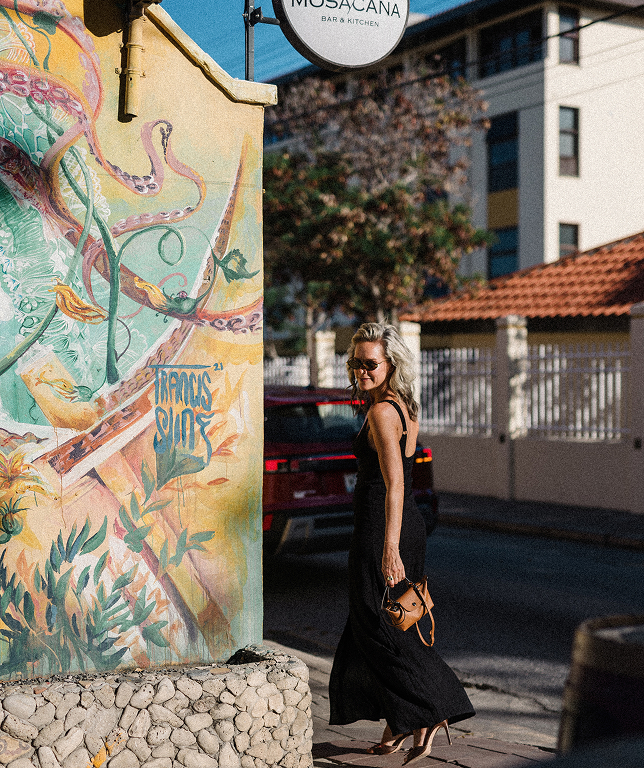
The Neighborhood: You Are Genuinely Somewhere
One of the main differences between staying in a historic monument hotel in Curaçao and a beach resort elsewhere on the island is that you’re never in a generic, forgettable place.
Step out of Cerro Bonito onto Pietermaaiweg, and you are immediately on one of the most beautiful streets in the Dutch Caribbean: pastel-painted façades, ornate cornices, bougainvillea over iron railings, boutique restaurants with outdoor tables, and the texture of a neighborhood that has been continuously inhabited since the 18th century.
It takes about ten minutes to walk from The Pyrmont to the Handelskade waterfront. The Queen Emma Pontoon Bridge, Fort Amsterdam, and the Floating Market are all within walking distance. You’re not on the edge of Willemstad’s heritage; you’re right in the center of it.
This is important for travelers who want to truly experience the Caribbean, not just stay near it. Most resorts keep the destination outside their gates, but here, you’re surrounded by it.
The History Is in the Building Itself
Some heritage hotels treat history as decoration, with framed old photos in the hallway, a short paragraph about the building in the welcome folder, and a few antiques in an otherwise modern space. These historical touches are just gestures.
At The Pyrmont, the history is structural.
Cerro Bonito is a formally recognized monument with designated architectural and cultural heritage value, specifically for its neoclassicist ornamentation and its significance as the mansion of S.E.L. Maduro. Read the full history of Cerro Bonito.
Kas di Pueblo carries a different kind of significance. It was the headquarters of the Nationale Volkspartij from 1947 — the party whose leader, Dr. M.F. da Costa Gomez (known as “Doktor”), played a central role in creating the 1954 Charter that established Curaçao’s autonomy within the Kingdom of the Netherlands. Discover the history of Kas di Pueblo.
When you learn what these buildings have been, not just how old they are, staying in them feels more meaningful. You’re sleeping in places that helped shape the island’s identity. That’s what makes real heritage hospitality different from just staying in an old building.
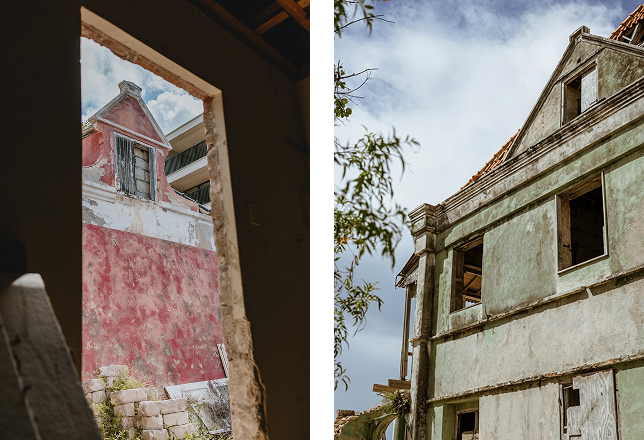
What the Days Actually Feel Like
Mornings in a restored colonial building have a particular quality. The light comes through shuttered windows that face the street or the garden, shifting as the morning progresses. The trade winds are already moving. The neighborhood outside is beginning its day.
Having breakfast in a building like Cerro Bonito never feels rushed or like you’re sitting under harsh lights. The architecture makes even simple moments like your first coffee or deciding whether to go to the pool or walk to the waterfront feel special in a way most hotels can’t match.
During the day, you move between the resort’s amenities and the surrounding neighborhood. Pool, beach, The Pyrmont’s restaurants. But also Pietermaai’s own restaurants just outside, the Kura Hulanda Museum a short walk away, the Handelskade and its harbor views.
Evenings in Pietermaai are among the best in the Caribbean. Restaurant terraces fill. Music starts. The warm, social energy of a neighborhood that has genuinely come back to life peaks between 7pm and midnight. You walk back to your hotel through streets that are lit, animated, and entirely themselves.
Who Is This Experience For?
A historic monument hotel in Curaçao is not for every traveler, and it’s worth being honest about that.
This is probably the right choice if you want to stay somewhere with real character you can see and feel—somewhere unique, not just another hotel. It’s ideal if you like being able to walk to restaurants, bars, and cultural sites right from your door. If you’ve tried all-inclusive resorts and want luxury without feeling cut off from the place, this fits. If beautiful rooms and meaningful architecture matter to you more than just having premium amenities, you’ll appreciate it. It’s especially good for couples or pairs of adults looking for a memorable experience.
You might want to choose a different place if you’re looking for a big resort with lots of entertainment, are traveling with young children who need a kids’ club and family facilities, want to be completely separate from the neighborhood, or need a long, untouched beach right outside your door.
Staying at The Pyrmont doesn’t mean you have to give up the beach or resort amenities. The property offers both pool and beach access. However, the neighborhood is a big part of the experience and not something you can overlook.
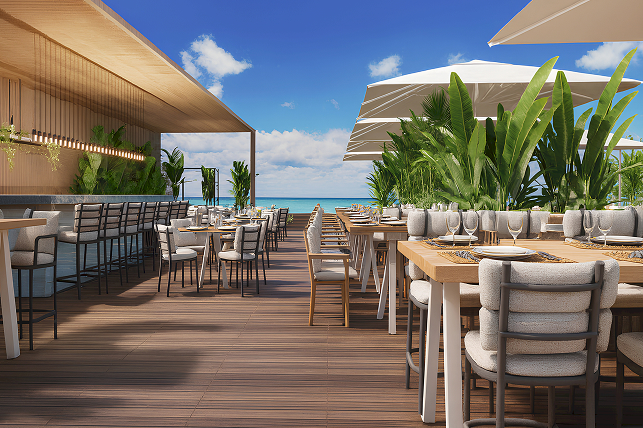
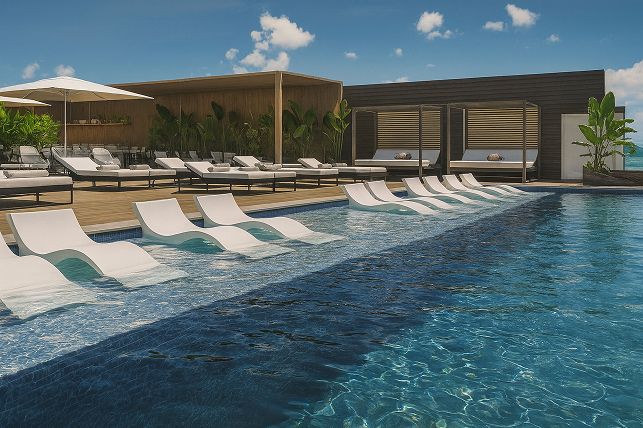
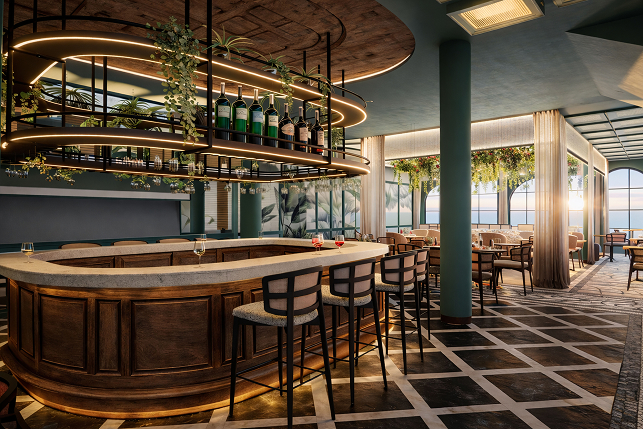
Are you ready to experience Curaçao’s history firsthand? Book your stay at The Pyrmont Curaçao Beach Resort, right in the heart of Pietermaai.
The Restoration
Bringing Cerro Bonito and Kas di Pueblo back to life as a luxury heritage hotel was not a simple refurbishment. Monument restoration in Pietermaai is governed by strict guidelines from the Stichting Monumentenzorg Curaçao and by the UNESCO World Heritage framework.
Traditional materials are required, such as lime-based paints, coral stone construction, and authentic window and door designs. Modern systems like plumbing, electrical, air conditioning, and Wi-Fi must be added without harming the historic features. When modern needs and heritage conservation conflict, preserving the heritage comes first.
The result is a hotel that stays true to its origins. The restoration doesn’t stand out or feel forced. The buildings simply feel authentic, which is exactly the goal.
Seamlessly Connected
Set on Curaçao’s southern coast, The Pyrmont Curaçao Beach Resort balances seclusion and access, a short walk to historic Willemstad and twenty minutes from the international airport.
Seamlessly Connected
Set on Curaçao’s southern coast, The Pyrmont Curaçao Beach Resort balances seclusion and access, a short walk to historic Willemstad and twenty minutes from the international airport.
Opening 2026
Be first to experience Curaçao’s new adults-only coastal sanctuary
FAQ
Buildings receive listed monument status when they meet criteria for architectural, historical, or cultural significance. In Willemstad’s UNESCO district, 743 buildings are listed monuments, assessed and maintained by the Stichting Monumentenzorg Curaçao.
Not at The Pyrmont. The restoration has integrated all modern hotel infrastructure — air conditioning, comfortable beds, proper bathrooms, Wi-Fi — into the historic fabric. What you gain over a modern hotel is architectural quality, character, and a genuine sense of place. What you don’t lose is comfort.
Contact The Pyrmont directly for specific accessibility information. Historic buildings can present challenges for guests with mobility limitations that purpose-built modern hotels do not.
Pietermaai is one of the safer areas of Willemstad for visitors. The neighborhood’s revival has brought an active street presence of residents, hotel guests, and restaurant visitors, particularly in the evenings. Standard urban precautions apply.
Hato International Airport (CUR) is about 15 to 20 minutes from Pietermaai by taxi or pre-booked transfer. This is one of the shortest airport transfers among Curaçao’s hotel options.
The buildings are part of the operating hotel. To experience the interiors, the best way is to book a stay. The exteriors can be viewed from Pietermaaiweg and Penstraat during a walk through the neighborhood.
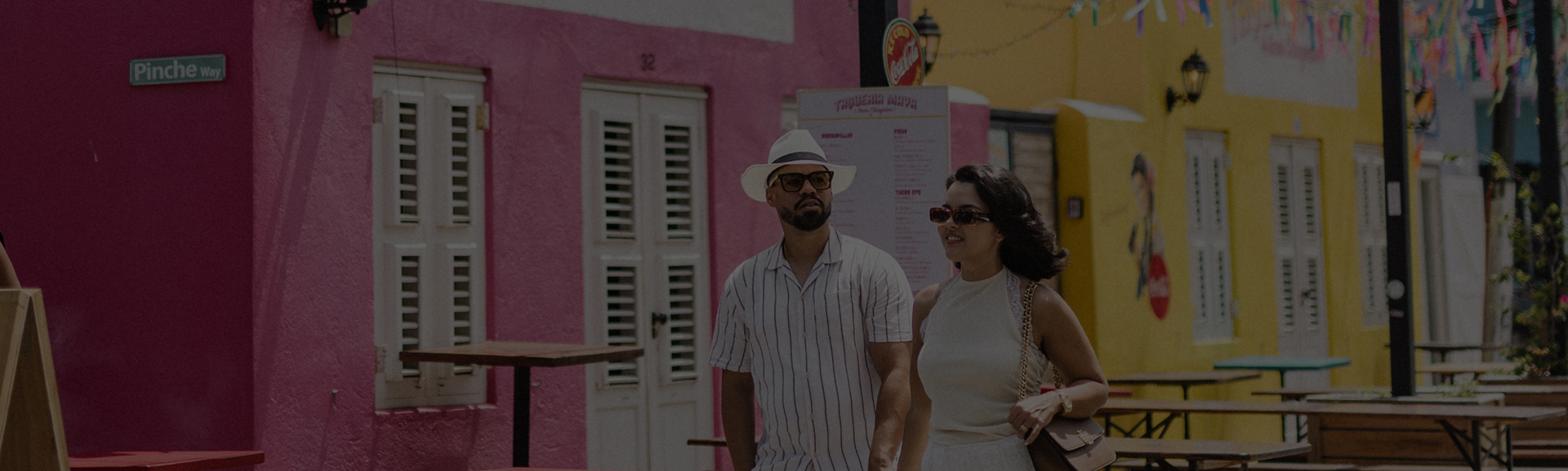
Why Stay in Pietermaai Curaçao? A Complete Guide to the Historic District
If you’ve been researching where to stay in Curaçao, you’ve almost certainly come across Pietermaai. Articles call it the “SoHo of Curaçao.” Guidebooks describe restored colonial buildings and vibrant nightlife. Travel forums debate whether it beats the west-coast beach resorts.
Here’s the short answer: staying in Pietermaai offers something you won’t find at
any beach resort on the island. You’ll be part of a real neighborhood, surrounded by UNESCO World Heritage, with over 30 restaurants nearby and the most impressive historic streetscape in the Dutch Caribbean right outside your window.
This guide covers everything you need to decide whether it’s the right fit for your trip.
What Is Pietermaai? A Brief History
Pietermaai is a historic district in Willemstad, the capital of Curaçao, located just east of the city’s oldest quarter, Punda. The neighborhood is named after Pieter de Meij, a Dutch ship’s captain who came from Brazil around 1674 and started a plantation near today’s Julianaplein called “Zeelucht,” which means Sea Air.
The district grew during the late 17th and 18th centuries as Willemstad’s inner city became too crowded to expand. Wealthy merchants, ship captains, and company officials moved east along what was then called the “Steenen Pad,” or the Stone Path, building the grand Dutch-Caribbean mansions that still define the neighborhood. By the mid-19th century, Pietermaai had become the most prestigious place to live in Willemstad.
In the 20th century, the area declined. Wealthy residents left, buildings fell into disrepair, and years of neglect caused some of the Caribbean’s best colonial architecture to crumble. The revival started in the late 1990s, which was also when Willemstad’s historic inner city became a UNESCO World Heritage Site, and the neighborhood has been improving ever since.
Today, Pietermaai is the most vibrant neighborhood in Willemstad. Its restored buildings house boutique hotels, independent restaurants, wine bars, and galleries, with the highest concentration of dining options anywhere on the island. The architecture is intact, the history is present, and the neighborhood is fully alive again.
What It Actually Feels Like
Walking along Pietermaaiweg at 7pm on a warm evening, which is most evenings here, really shows you what it’s like to stay in this neighborhood.
The main street features restored 18th and 19th-century mansions painted in pastel colors, a look that has been Willemstad’s signature since 1817, when white lime finishes were banned because the bright sun caused headaches. The buildings are spacious, with two stories, deep cornices, decorative iron balconies, and formal terrace staircases. Even the simpler buildings have the confident feel of a neighborhood that was once the island’s top address.
At street level: outdoor tables at restaurants where the kitchens are small and excellent. Wine bars occupying ground-floor spaces where 200-year-old construction runs above. A gallery opened late, light spilling onto the pavement. Hotel terraces with guests in animated conversation.
There’s a good balance of visitors and locals here. The neighborhood hasn’t been taken over by tourism, which keeps it authentic and is part of what makes it special. Real businesses, real residents, and daily life all exist alongside the hospitality scene.
The side streets, like Penstraat, Nieuwestraat, and Theaterstraat, are quieter and feel more residential. You’ll see modest buildings next to grand ones, showing how the neighborhood grew naturally over three centuries rather than being planned all at once.
What Kind of Resort Are You Looking For?
Large resort properties offer multiple pools, several restaurants, nightly entertainment, and a wide range of activities in one place. Great for families and groups, though the experience can lean toward the generic.
Boutique all-inclusive properties trade scale for character. Smaller, more considered, and usually in more interesting locations. Staff tend to know your name. Dining feels more deliberate.
The Pyrmont Curaçao Beach Resort is a great example of a boutique property. It’s adults-only, making it perfect for couples and honeymooners who want a quieter, more refined experience. The resort is in the historic Pietermaai district of Willemstad, set in two restored colonial buildings within a UNESCO World Heritage neighborhood. Here, you’re not isolated in a resort—you’re in a lively, walkable area with both the city and the sea just a short walk away.
Family resorts vary significantly. If you’re traveling with kids, look specifically for properties that advertise kids’ clubs, shallow beach areas, and family programming, rather than assuming all resorts accommodate children equally well.
7 Practical Reasons to Stay Here
- Pietermaai has the highest concentration of restaurants on the island, with about 30 places to eat and drink within walking distance. Even if you’re staying at an all-inclusive resort, it’s easy to try something different here, and the independent restaurants are always high quality. You’ll find Caribbean-inspired dishes, fresh seafood, and international menus, all just a five-minute walk away.
- Walkable access to UNESCO Willemstad. The Handelskade waterfront is about ten minutes on foot from Pietermaai. The Queen Emma Pontoon Bridge, Fort Amsterdam, the Floating Market, and the Kura Hulanda Museum are all accessible without a taxi or car. Staying in Pietermaai makes UNESCO Willemstad your neighborhood, not a day trip.
- You’re surrounded by history here, not just looking at it. The colonial architecture isn’t just scenery; it’s the building you stay in, the street you walk, and the ceiling above your table at dinner. Properties like The Pyrmont Curaçao Beach Resort are set in real historic monuments, such as Cerro Bonito (built in 1857) and Kas di Pueblo, offering stories and character that new buildings can’t match.
- Pietermaai is a great central base for exploring the island. Its location in central Willemstad makes it easy to get anywhere in Curaçao. The airport is just 15 to 20 minutes away, which is one of the shortest transfers on the island. West-coast beaches like Cas Abao and Playa Kenepa are less than an hour by car, and Shete Boka National Park is about 40 minutes away. You won’t feel stuck at one end of the island.
- Evenings in Pietermaai are special. The nightlife here is probably the best in Willemstad, not because it’s loud or commercial, but because the neighborhood comes alive as the sun sets. Outdoor terraces fill up, live music begins, and locals and visitors mingle in the warm evening air. The atmosphere is especially romantic for couples.
- Boutique quality over resort scale. The hotels of Pietermaai are almost all boutique properties — small enough that staff know you, distinctive enough that no two are the same. For travelers who’ve stayed in large Caribbean resorts and found them forgettable, a boutique hotel in Pietermaai resolves that problem.
- The architecture here is a reason to stay all by itself. Pietermaai’s colonial buildings have coral stone walls, high ceilings, shuttered windows, and ornate façades that are not just beautiful to look at. They were designed for the Caribbean climate, with thick walls to keep rooms cool, windows to catch the trade winds, and spacious proportions. Staying in a room like this feels very different from a modern hotel room.
Honest Limitations
Pietermaai might not be the best choice if you want a long natural beach right outside your door. The Pyrmont does have beach access, but it’s not a long white-sand beach resort. The best beaches in Curaçao are 30 to 50 minutes away by car.
If you need complete quiet, keep in mind that Pietermaai has a lively evening scene. Check where your room is located before booking if you’re sensitive to noise.
If you’re looking for a resort-bubble experience, where everything is contained and managed for you, Pietermaai isn’t that kind of place. The neighborhood is lively and active. Some travelers love this, while others may prefer a more self-contained resort.
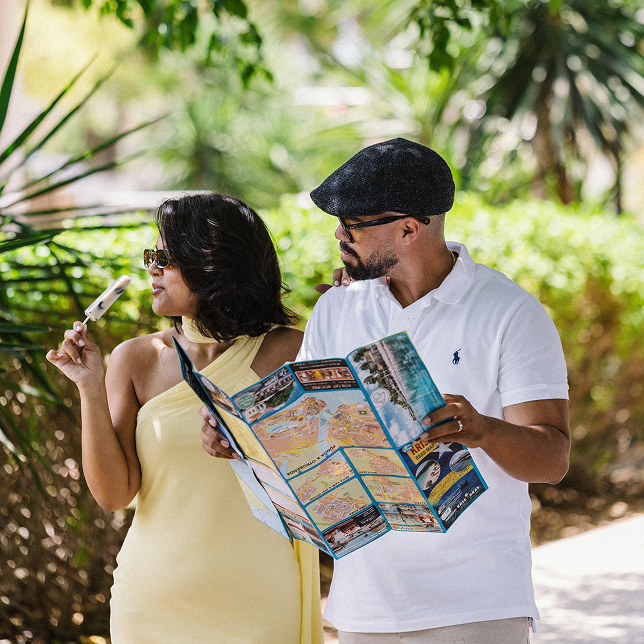
What to Do Here
- Walk the district without a specific destination. Give yourself two hours. Pietermaaiweg and its side streets are a continuous architectural discovery. Our Pietermaai architecture guide covers what to look for.
- Eat at the independent restaurants. Pietermaai’s dining scene is the best reason to stay here. Ask your hotel for current recommendations — it’s an evolving scene.
- Walk to the Handelskade at different times of day. Morning is quiet and the light is clean. Late afternoon puts warm western light on the façades and is the best time for photographs.
- Watch the Queen Emma Bridge in action. This floating pontoon bridge opens several times a day to let ships pass through Sint Anna Bay. Seeing it open, whether you’re on the bridge or watching from the waterfront, is one of those small, charming moments in Willemstad that’s worth experiencing.
- Visit the Kura Hulanda Museum. One of the most important museums in the Caribbean, a short walk from Pietermaai. The history of Curaçao’s role in the Atlantic slave trade, told without evasion in a beautifully restored complex of 19th-century buildings.
- Explore the Floating Market. Venezuelan vendors selling fresh produce and fish directly from their boats on the Waaigat waterway. A functioning traditional market, photogenic, and a genuine piece of Willemstad’s daily life.
- Have dinner on a terrace. Pietermaai’s outdoor dining peaks between 7pm and 10pm. Book ahead for the most popular spots — the better restaurants fill quickly.
Where to Stay
The neighborhood offers several boutique hotels, each with its own unique character. If you want the most historically significant stay, and the only adults-only all-inclusive option in the district, The Pyrmont Curaçao Beach Resort is set in two fully restored listed monuments at the heart of Pietermaai.
As part of the Marriott Autograph Collection, The Pyrmont offers international hospitality standards in a truly unique historic setting. The rooms and suites are inside buildings that are part of Willemstad’s UNESCO heritage. You’ll find multiple restaurants and bars, beach and pool access, and an all-inclusive format, all within two of Pietermaai’s most architecturally significant buildings.
What sets The Pyrmont apart from other boutique options in the district is the combination: all-inclusive ease, adults-only calm, and a genuinely historic setting. It’s the only place in Pietermaai where you can enjoy a full resort experience inside a truly monumental heritage building.
Stay at the heart of Pietermaai in a fully restored historic monument. Explore The Pyrmont Curaçao Beach Resort.
Seamlessly Connected
Set on Curaçao’s southern coast, The Pyrmont Curaçao Beach Resort balances seclusion and access, a short walk to historic Willemstad and twenty minutes from the international airport.
Seamlessly Connected
Set on Curaçao’s southern coast, The Pyrmont Curaçao Beach Resort balances seclusion and access, a short walk to historic Willemstad and twenty minutes from the international airport.
Opening 2026
Be first to experience Curaçao’s new adults-only coastal sanctuary
FAQ
Yes. Pietermaai is one of the safest areas in Willemstad for visitors. The neighborhood’s revival has brought more activity to the streets, with hotels, restaurants, and residents, which has changed its character a lot since the tough times of the late 20th century. As always, use standard urban precautions.
It depends on ages and expectations. Pietermaai works well for older children and teenagers who can engage with an interesting urban environment. For younger children who need extensive resort facilities, a larger resort property may serve better.
It takes about 15 to 20 minutes by taxi or pre-booked transfer from Hato International Airport (CUR), making it one of the shortest airport transfers in Curaçao.
Very much so. The neighborhood is compact, and you can walk to Willemstad’s main highlights, like Handelskade, Queen Emma Bridge, and the Floating Market, in just 10 to 15 minutes.
The closest beaches are Marie Pampoen, which is five minutes away by car, and Jan Thiel Beach, about 15 minutes away. Curaçao’s most famous beaches, like Cas Abao and Playa Kenepa, are 30 to 50 minutes away.
Papiamentu is the local Creole language; Dutch is also widely spoken. English is used throughout the hospitality sector and broadly understood across Pietermaai’s restaurants, hotels, and shops.
Curaçao’s climate is steady all year, with no real hurricane risk. February is a great time to visit if Carnival happens during your stay, since the Grand Parade goes through Willemstad. From April to June, you’ll find ideal weather and lower prices than during peak season.